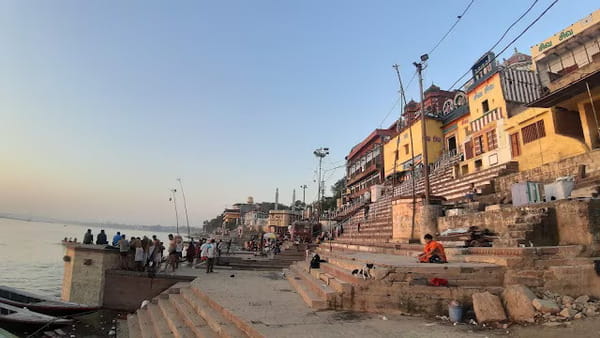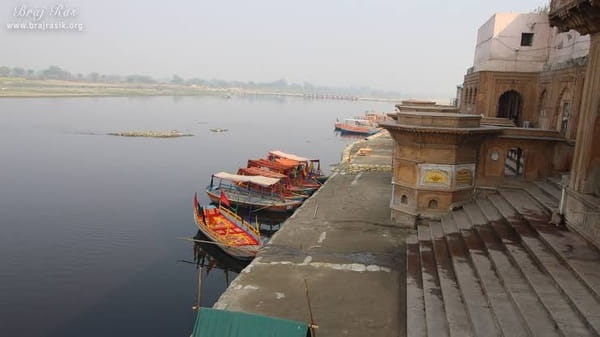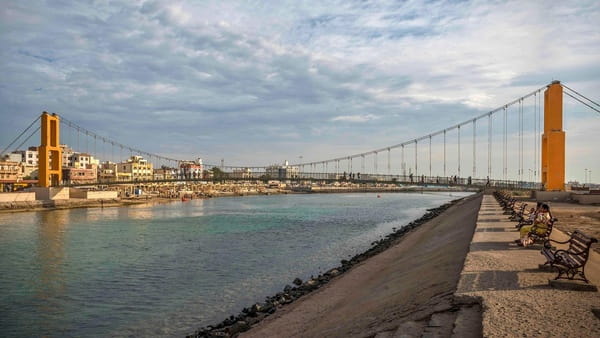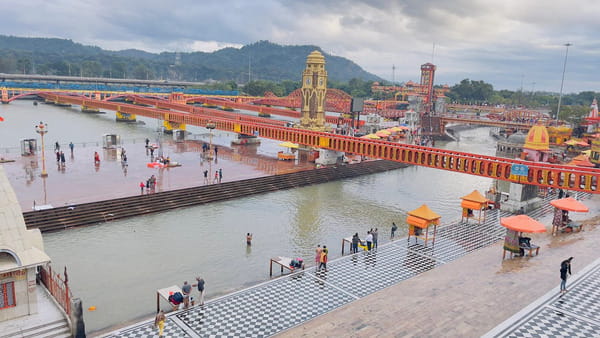




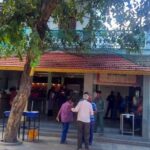




Manikarnika Ghat is one of the oldest, holiest, and most significant ghats in Varanasi. It is the primary cremation ground (Mahashmashana) where Hindus believe that being cremated grants instant moksha (salvation) and liberation from the cycle of birth and death. Located on the western bank of the sacred Ganges, this ghat holds profound spiritual importance and serves as a living symbol of life, death, and eternity in Hindu philosophy.

Location of Manikarnika Ghat
Manikarnika Ghat lies in the central stretch of Varanasi’s ghats, between Dashashwamedh Ghat and Scindia Ghat. It faces eastward toward the Ganges River, which flows northward at this point. The ghat features wide stone steps leading to the water, ancient temples, and the iconic burning pyres that operate 24 hours a day.
According to legend, Lord Vishnu dug a kund (pond) here with his discus, and Goddess Parvati dropped her earring (manikarnika) into it. Lord Shiva himself guards this spot. The sacred Manikarnika Kund, believed to be filled with holy water from all tirthas, is located near the ghat. A holy dip here and cremation on its pyres are considered highly auspicious.
Directions and How to Reach Manikarnika Ghat
From Varanasi Junction Railway Station (BSB):
Approximately 5–6 km. It takes 15–25 minutes by auto-rickshaw, e-rickshaw, or taxi. Ask for “Manikarnika Ghat” or “near Kashi Vishwanath Temple.”
From Lal Bahadur Shastri International Airport:
Around 24–28 km. Taxis or cabs take 45–60 minutes.
From Dashashwamedh Ghat:
About 800 meters to 1 km north. A short walk along the riverfront or through the narrow galis is possible, though the lanes can be crowded.
From Kashi Vishwanath Temple:
Very close — just 300–500 meters. The easiest approach is through the Vishwanath Gali or Manikarnika Gali. Vehicles cannot reach right up to the ghat, so the final stretch is on foot.
The ghat is centrally located but accessible mainly through narrow old-city lanes. Using Google Maps or asking locals for “Manikarnika” works well.
Timings at Manikarnika Ghat
Manikarnika Ghat remains open 24 hours with no entry fee.
Cremations:
Performed round the clock, 24×7. The pyres burn continuously, symbolizing the eternal cycle.
Holy Dip and Rituals:
Early morning (4:00 AM – 8:00 AM) is considered the best and most peaceful time for bathing and rituals.
Evening Ganga Aarti:
A smaller but beautiful aarti is performed near the ghat in the evening around 6:00 PM – 7:30 PM (depending on the season). However, the main focus remains on the cremation rituals rather than large-scale aarti.
Best Time to Visit:
Early morning for a calmer experience and to witness rituals respectfully. October to March offers pleasant weather. Visitors usually spend 30–90 minutes here.
Spiritual Significance and Atmosphere
Manikarnika Ghat is deeply associated with death and liberation. According to belief, anyone who dies and is cremated here attains moksha. Thousands of bodies are cremated every year. The ghat is managed by the Dom community, who have performed this sacred duty for generations.
The atmosphere is intense, solemn, and profoundly spiritual. You will see burning pyres, mourners performing last rites, priests chanting, and the constant flow of the Ganges carrying away ashes. It offers a raw and honest encounter with mortality and the impermanence of life, which many visitors find deeply moving and transformative.
Note for Visitors: Photography of the burning pyres and mourners is strictly prohibited and considered highly disrespectful. Maintain silence, dress modestly, and observe from a respectful distance.
Nearby Places to Visit
Manikarnika Ghat’s central location makes it easy to combine with other attractions:
- Kashi Vishwanath Temple (Golden Temple) — One of the twelve Jyotirlingas (very short walk).
- Dashashwamedh Ghat — Famous for grand Ganga Aarti (800 meters south).
- Scindia Ghat — Beautifully built ghat with a leaning temple.
- Lalita Ghat and Man Mandir Ghat — Nearby scenic ghats.
- Godowlia Market — For shopping and street food.
- Annapurna Temple — Dedicated to Goddess Annapurna.
- Other Ghats — Kedar Ghat, Harishchandra Ghat (another cremation ghat).
A morning boat ride covering Manikarnika, Dashashwamedh, and other ghats is highly recommended.
Frequently Asked Questions (FAQs)
Q: What is the best time to visit Manikarnika Ghat?
A: Early morning between 4:00 AM – 9:00 AM for a relatively calmer experience.
Q: Where is Manikarnika Ghat located and which direction does it face?
A: It is centrally located on the western bank of the Ganges in Varanasi, facing east.
Q: How to reach Manikarnika Ghat from Varanasi Railway Station?
A: 5–6 km; 15–25 minutes by auto-rickshaw or taxi, followed by a short walk.
Q: Is there an entry fee for Manikarnika Ghat?
A: No entry fee. However, donations are customary for rituals or support to the ghat.
Q: What are the best nearby places to Manikarnika Ghat?
A: Kashi Vishwanath Temple, Dashashwamedh Ghat, Scindia Ghat, and Annapurna Temple.
Q: Can I take a boat ride near Manikarnika Ghat?
A: Yes, boats are available for sunrise/sunset ghat tours and provide excellent river views of the cremation ground from a distance.
Q: Is Manikarnika Ghat suitable for families?
A: It is suitable for mature visitors and families, but children and sensitive individuals should be prepared for the intense sight of cremations.
Q: What should I carry when visiting?
A: Modest clothing, water, and a respectful attitude. Avoid photography of pyres and mourners.
Manikarnika Ghat stands as the ultimate symbol of life’s transience and the promise of liberation in Varanasi. Its sacred location, constant spiritual activity, convenient central position, and proximity to Kashi Vishwanath Temple make it an essential stop for every pilgrim and traveler seeking the profound essence of Banaras.