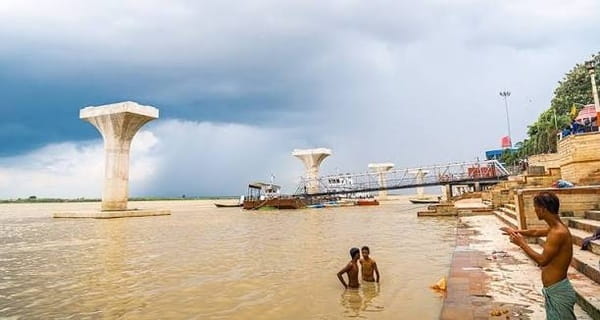
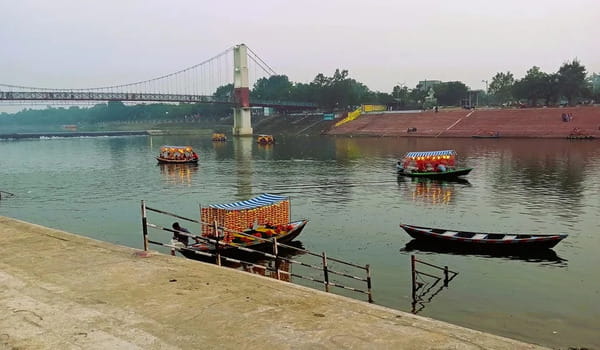
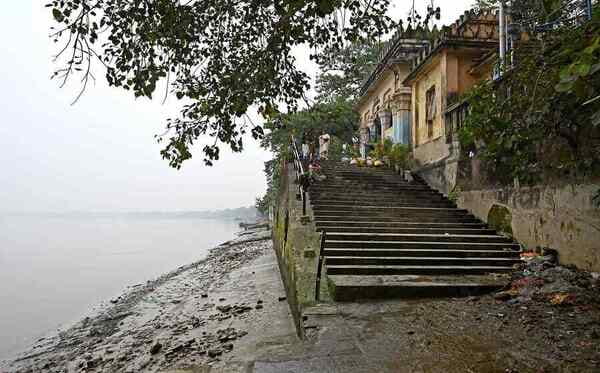
Assi Ghat, located at the southernmost tip of Varanasi’s iconic 84 ghats along the Ganges, is a serene yet vibrant spiritual hub. It marks the sacred confluence where the Assi River (a small stream) meets the mighty Ganges. This strategic position gives Assi Ghat a distinct calm compared to the bustling central ghats, while preserving its deep mythological importance. The ghat serves as a perfect blend of spirituality, culture, and everyday Banarasi life, attracting pilgrims, yoga enthusiasts, artists, and international travelers alike.
Location of Assi Ghat Varanasi
Assi Ghat lies on the western bank of the Ganges River in southern Varanasi, Uttar Pradesh. It faces eastward toward the rising sun, offering breathtaking sunrise views over the river. The river flows northward at this point, which is characteristic of the Ganges in Varanasi.

Geographically, it is positioned near the Lanka area and close to Banaras Hindu University (BHU). The ghat stretches along Nagwa Road / Assi Ghat Road, with stone steps leading down to the water. Its southern extremity makes it the natural starting point for many traditional pilgrimages, including the Panchkroshi Yatra that circumambulates the sacred city of Kashi.
The area around the ghat features temples, ashrams, cafes, and guesthouses, creating a lively yet peaceful atmosphere that perfectly captures the soul of Varanasi.
Directions and How to Reach Assi Ghat Varanasi
From Varanasi Junction Railway Station:
Approximately 5–6 km south. Travel time is 15–25 minutes by auto-rickshaw, e-rickshaw, taxi, or cycle rickshaw. Fares are affordable and easily available.
From Lal Bahadur Shastri International Airport:
Around 25–30 km. Taxis and pre-paid cabs are the most convenient options. The journey usually takes 45–60 minutes depending on traffic.
Assi Ghat To Dashashwamedh Ghat Distance:
Assi Ghat To Dashashwamedh Ghat Distance About 3–4 km south. You can walk along the riverfront ghats (a scenic but time-consuming option) or take a short boat ride southward. E-rickshaws are also readily available.
From Banaras Hindu University (BHU):
Very close — just a short ride or pleasant walk via Lanka crossing. Many visitors staying near BHU prefer Assi Ghat for its accessibility.
The ghat is well-connected by road, and its open layout makes navigation easy even for first-time visitors. Narrow lanes (galis) lead to the main ghat area, so using Google Maps or asking locals for “Assi Ghat” works well.
Timings at Assi Ghat
Assi Ghat remains open 24 hours with no entry fee.
Subah-e-Banaras (Morning Program):
- Summer (March–October): Starts around 5:00 AM
- Winter (November–February): Starts around 5:30 AM The program, featuring Vedic chants, yoga, classical music, and sunrise rituals, usually continues until 7:00–7:30 AM. It offers a peaceful and spiritually uplifting start to the day.
Evening Ganga Aarti:
- Winter (November–February): Around 6:00 PM
- Summer (March–October): Around 6:30 PM – 7:00 PM The aarti lasts approximately 45 minutes. Priests perform synchronized rituals with lamps, incense, and devotional songs. Devotees float earthen diyas on the river, creating a magical ambiance. Compared to the grander aarti at Dashashwamedh, Assi Ghat’s version feels more intimate and accessible.
Best Time to Visit:
October to March offers pleasant weather for morning and evening activities. Arrive 30–45 minutes early for both morning and evening programs to secure a good viewing spot. Boat rides during sunrise or aarti provide a unique perspective from the river.
Spiritual Significance and Atmosphere
According to legend, Goddess Durga rested here after slaying demons and created the Assi stream with her sword. A revered Shiva Lingam beneath a sacred peepal tree draws devotees daily. Bathing at this confluence is believed to grant the spiritual merit of visiting multiple holy sites.
The ghat pulses with life throughout the day — morning dips, evening aarti, scholars discussing philosophy, and street vendors offering flowers, incense, and snacks. Rooftop cafes with river views add a modern touch, making it popular among long-staying travelers.
Nearby Places to Visit
Assi Ghat’s southern location makes it an excellent base for exploring Varanasi:
- Lolark Kund — Ancient Sun Temple site nearby.
- Durga Temple (Durga Kund) — Famous temple dedicated to Goddess Durga.
- Tulsi Ghat — Associated with poet-saint Tulsidas.
- Banaras Hindu University (BHU) — Beautiful campus with Bharat Kala Bhavan museum.
- Sarnath — Buddhist pilgrimage site (about 12–15 km away).
- Ramnagar Fort — Historic fort and museum on the opposite bank.
- Other Ghats — Hanuman Ghat, Shivala Ghat (short walk north).
- Markets — Assi area cafes and shops for souvenirs, books, and local handicrafts.
A combination of morning rituals at Assi Ghat followed by visits to nearby temples and BHU makes for a fulfilling day.
Frequently Asked Questions (FAQs)
1. What are the Ganga Aarti timings at Assi Ghat?
Morning (Subah-e-Banaras): 5:00 AM (summer) / 5:30 AM (winter). Evening Aarti: 6:00 PM (winter) / 6:30–7:00 PM (summer). Timings may vary slightly with seasons.
2. Where is Assi Ghat located and which direction does it face?
It is at the southernmost end of Varanasi ghats on the western bank of the Ganges, facing east.
3. How to reach Assi Ghat from Varanasi Railway Station?
5–6 km south; 15–25 minutes by auto, e-rickshaw, or taxi.
4. Is there an entry fee for Assi Ghat or Aarti?
No entry fee. Both morning and evening programs are free.
5. What are the best nearby places to Assi Ghat?
Durga Temple, Lolark Kund, BHU, Tulsi Ghat, Sarnath, and Ramnagar Fort.
6. Can I take a boat ride from Assi Ghat?
Yes, boats are readily available for sunrise, sunset, or aarti viewing.
7. Is Assi Ghat suitable for families?
Yes, it is family-friendly, especially during daytime. Standard safety precautions apply in crowded areas.
8. What should I carry when visiting?
Water, sunscreen, modest clothing, and small offerings for rituals if desired.
Assi Ghat offers a perfect introduction to Varanasi’s spiritual and cultural heritage through its ideal location, easy accessibility, well-timed rituals, and rich surroundings.