







India’s street food has always been a celebration of regional flavors, family recipes, and local traditions. Classics like Vada Pav, Pani Puri, Dosa, Chole Bhature, Kathi Rolls, and Momos have been loved for generations. However, over the past decade, a new trend has transformed the country’s street food landscape—fusion street food.
Today’s Gen Z consumers are driving this change by embracing creative combinations that blend traditional Indian recipes with global cuisines. From Cheese Burst Dosas and Tandoori Momos to Butter Chicken Pizza and Chocolate Pani Puri, fusion street food has become a social media sensation and a favorite among young food lovers.
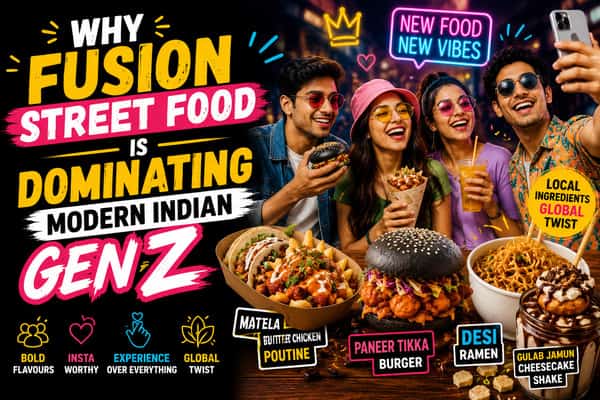
But what exactly is making fusion street food so popular? Let’s explore why this culinary trend is dominating India’s modern food culture.
What Is Fusion Street Food?
Fusion street food combines ingredients, cooking techniques, or flavors from different cuisines to create something new and exciting.
Popular examples include:
- Tandoori Momos
- Cheese Burst Vada Pav
- Pizza Dosa
- Butter Maggi
- Schezwan Fried Idli
- Paneer Tikka Tacos
- Chocolate Pani Puri
- Korean-style Loaded Fries
- Mexican Bhel
- Peri-Peri Corn Cups
These dishes retain familiar Indian flavors while adding international influences that appeal to adventurous eaters.
Gen Z Loves Experimenting with Food
Unlike previous generations, Gen Z is highly open to trying new experiences, especially when it comes to food.
Young consumers often look for:
- Unique flavor combinations
- Eye-catching presentation
- Limited-edition menu items
- Trending food experiences
- Shareable meals with friends
For many, eating is no longer just about satisfying hunger—it’s also about exploration and entertainment.
Social Media Drives Food Trends
Platforms like Instagram, YouTube, and short-video apps have transformed how people discover food.
A visually appealing dish can quickly go viral, attracting thousands of customers to a small street food stall.
Fusion foods often feature:
- Bright colors
- Melted cheese
- Dramatic toppings
- Live cooking
- Creative plating
These elements make them highly shareable online and especially attractive to younger audiences.
Global Food Influences
Today’s Indian youth have greater exposure to international cuisines than ever before through travel, television, streaming platforms, and social media.
As a result, street food vendors have introduced flavors inspired by:
- Korean cuisine
- Mexican food
- Italian dishes
- American fast food
- Japanese snacks
- Chinese cuisine
- Middle Eastern flavors
Instead of replacing traditional recipes, these influences are blended with Indian ingredients to create exciting new dishes.
Affordable Culinary Adventure
Dining at premium restaurants can be expensive, but fusion street food allows people to experience creative recipes at affordable prices.
For a relatively small cost, customers can enjoy dishes inspired by international cuisines without leaving their city.
This affordability has made fusion street food especially popular among students and young professionals.
Endless Creativity for Vendors
Fusion food allows street vendors to continuously innovate.
Instead of offering only traditional menus, vendors can experiment with:
- New sauces
- Cheese varieties
- International seasonings
- Different cooking styles
- Seasonal ingredients
Creative menus help vendors attract repeat customers who are eager to try the latest food trends.
Traditional Meets Modern
One reason fusion street food has succeeded is that it doesn’t completely replace traditional recipes.
Instead, it builds upon familiar favorites.
Examples include:
- Cheese Masala Dosa
- Butter Chicken Momos
- Schezwan Paneer Roll
- Tandoori Pasta
- Pizza Uttapam
These combinations feel both familiar and exciting, making them accessible to a wide audience.
Night Markets Encourage Innovation
Modern food streets and night markets have become ideal places for experimenting with fusion recipes.
Popular food destinations across India regularly introduce innovative dishes to attract younger crowds.
Competition among vendors encourages continuous creativity and menu updates.
Customization Appeals to Young Consumers
Gen Z values personalization.
Many fusion street food stalls now allow customers to choose:
- Spice level
- Cheese quantity
- Sauces
- Toppings
- Protein options
- Vegetarian or vegan alternatives
This flexibility creates a more engaging dining experience.
Food as Entertainment
For today’s younger generation, eating out is often a social activity.
Fusion street food provides:
- Live cooking performances
- Instagram-worthy dishes
- Group dining experiences
- Food challenges
- Limited-time creations
Many vendors deliberately design dishes that create excitement beyond taste alone.
Technology Supports the Trend
Food delivery platforms and digital payments have made fusion street food even more accessible.
Customers can:
- Discover new vendors online.
- Read reviews.
- Watch food videos.
- Order from home.
- Pay instantly using UPI.
Technology has helped small vendors reach a much larger audience.
Does Traditional Street Food Still Matter?
Absolutely.
Classic dishes such as:
- Vada Pav
- Pani Puri
- Idli
- Chole Bhature
- Poha
- Jalebi
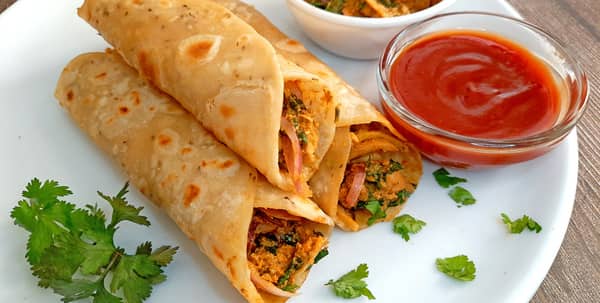
- Kathi Roll
continue to enjoy immense popularity.
Fusion food has expanded the street food landscape rather than replacing traditional favorites.
Many customers enjoy both classic and modern options depending on the occasion.
Challenges of Fusion Street Food
While the trend continues to grow, vendors also face challenges such as:
- Maintaining food quality while experimenting.
- Balancing creativity with authentic flavors.
- Managing rising ingredient costs.
- Meeting customer expectations driven by social media.
Successful vendors focus on innovation without compromising taste or hygiene.
The Future of Fusion Street Food
Fusion cuisine is expected to continue evolving as food trends change.
Future innovations may include:
- Health-focused fusion dishes
- Plant-based street food
- Sustainable packaging
- Regional-global flavor combinations
- AI-inspired menu recommendations
- Interactive food experiences
As consumer preferences evolve, street food vendors are likely to remain at the forefront of culinary creativity.
Conclusion
Fusion street food has become a defining feature of modern India’s food culture, especially among Gen Z consumers who value creativity, variety, and memorable experiences. By blending traditional Indian flavors with international influences, vendors have created an exciting new generation of dishes that appeal to adventurous palates without losing their local identity. Social media, affordable pricing, customizable menus, and visually striking presentations have further accelerated the popularity of this trend.
Despite the rise of fusion cuisine, traditional street food continues to hold a special place in India’s culinary heritage. Together, classic recipes and modern innovations are shaping a vibrant and evolving food culture that reflects the tastes of a new generation while honoring the country’s rich gastronomic traditions.
FAQs
1. What is fusion street food?
Fusion street food combines elements from different cuisines to create innovative dishes, such as Pizza Dosa, Tandoori Momos, Butter Maggi, or Cheese Burst Vada Pav.
2. Why is fusion street food popular among Gen Z?
Gen Z enjoys experimenting with new flavors, sharing visually appealing meals on social media, and trying creative food experiences that blend familiar Indian dishes with global influences.
3. Does fusion food replace traditional Indian street food?
No. Fusion food complements rather than replaces traditional street food. Classic dishes like Vada Pav, Pani Puri, Dosa, and Chole Bhature continue to be widely loved across India.
4. Is fusion street food expensive?
Generally, no. One of its biggest attractions is that it offers innovative, restaurant-inspired flavors at affordable street food prices.
5. What are some popular fusion street food dishes in India?
Popular examples include Tandoori Momos, Pizza Dosa, Schezwan Fried Idli, Cheese Burst Vada Pav, Butter Chicken Pizza, Chocolate Pani Puri, Korean-style Loaded Fries, and Paneer Tikka Tacos.