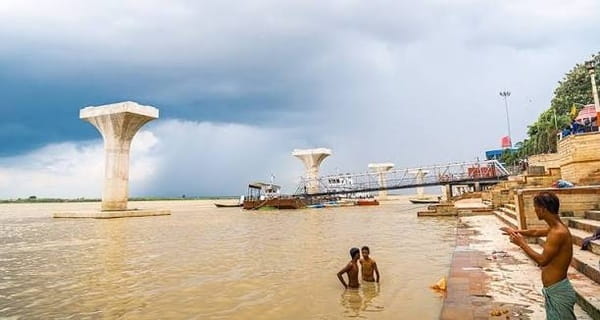
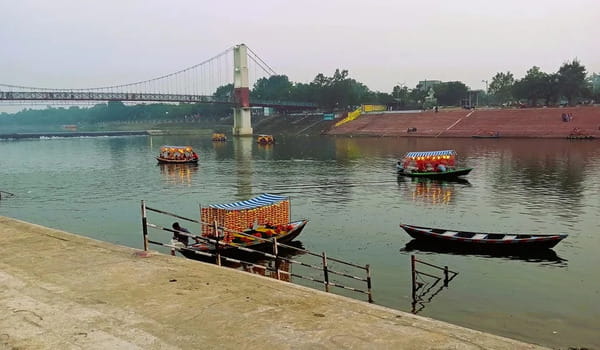
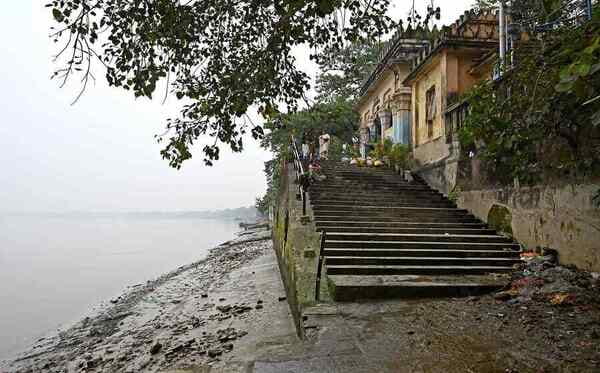
Harishchandra Ghat is one of the two most ancient and sacred cremation ghats in Varanasi (the other being Manikarnika Ghat). It holds profound spiritual importance as it is believed that cremation here grants moksha (salvation) to the departed soul. The ghat is named after the legendary King Harishchandra, who once worked at this cremation ground to uphold his commitment to truth and dharma.
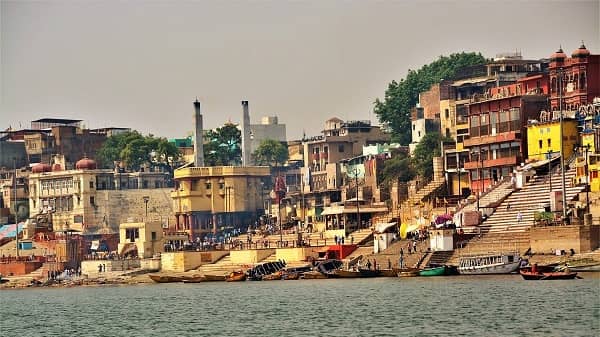
Location of Harishchandra Ghat
Harishchandra Ghat is located on the western bank of the Ganges River in Varanasi, situated between Kedar Ghat and Harischandra Ghat area. It faces eastward toward the river and features traditional stone steps, burning pyres, and several small temples. The ghat is relatively quieter than Manikarnika Ghat but maintains the same sacred intensity associated with death and liberation.
Directions and How to Reach Harishchandra Ghat
From Varanasi Junction Railway Station (BSB):
Approximately 5–6 km. It takes 15–25 minutes by auto-rickshaw, e-rickshaw, or taxi.
From Lal Bahadur Shastri International Airport:
Around 25–28 km. Taxis take 45–60 minutes.
From Dashashwamedh Ghat:
About 2.5–3 km south. You can walk along the riverfront or take a boat ride.
From Kedar Ghat:
Very close — just 300–500 meters north.
The ghat is approachable through narrow galis. The final stretch is usually on foot. Ask locals for “Harishchandra Ghat” or “Harischandra Shmashan.”
Timings at Harishchandra Ghat
Harishchandra Ghat remains open 24 hours with no entry fee.
Cremations:
Performed round the clock, 24×7. The pyres burn continuously.
Holy Bathing & Rituals:
Early morning (4:30 AM – 8:30 AM) is considered peaceful and auspicious for bathing and rituals.
Best Time to Visit:
Early morning for a relatively calmer experience. October to March offers pleasant weather. Visitors usually spend 30–60 minutes here.
Spiritual Significance and Atmosphere
According to legend, King Harishchandra worked as a cremation ground keeper at this ghat to honour his promise. The site symbolizes truth, sacrifice, and the impermanence of life. Like Manikarnika, cremation at Harishchandra Ghat is believed to liberate the soul from the cycle of rebirth.
The atmosphere is solemn, intense, and deeply spiritual. You will witness burning pyres, mourners performing last rites, priests chanting, and the constant flow of the Ganges. It provides a raw encounter with mortality and the eternal cycle of life and death.
Note for Visitors: Photography of burning pyres and mourners is strictly prohibited. Maintain silence, dress modestly, and observe from a respectful distance.
Nearby Places to Visit
- Kedar Ghat — Shiva temple ghat (very close).
- Tulsi Ghat — Associated with Goswami Tulsidas.
- Assi Ghat — Southern end of the ghats.
- Durga Temple — Famous temple nearby.
- Kashi Vishwanath Temple — Main Shiva temple (short rickshaw ride).
Frequently Asked Questions (FAQs)
Q: Why is Harishchandra Ghat important?
A: It is one of the two primary cremation ghats in Varanasi and is associated with the legendary King Harishchandra.
Q: Where is Harishchandra Ghat located?
A: On the western bank of the Ganges between Kedar Ghat and the southern ghats.
Q: How to reach Harishchandra Ghat from Varanasi Railway Station?
A: 5–6 km; 15–25 minutes by auto or taxi.
Q: Is there an entry fee for Harishchandra Ghat?
A: No entry fee. Donations are customary for rituals.
Q: What are the best nearby places to Harishchandra Ghat?
A: Kedar Ghat, Tulsi Ghat, and Durga Temple.
Q: Can I take a boat ride near Harishchandra Ghat?
A: Yes, boats are available and provide good views of the ghat from the river.
Q: Is Harishchandra Ghat suitable for families?
A: It is suitable for mature visitors. Families with young children should be prepared for the intense sight of cremations.
Q: What should I carry when visiting?
A: Modest clothing, water, and a respectful attitude. Avoid photography of pyres and mourners.
Harishchandra Ghat stands as a powerful symbol of truth, sacrifice, and liberation in Varanasi. Its historical connection with King Harishchandra, continuous cremation rituals, and sacred riverside setting make it an essential ghat for understanding the deeper spiritual philosophy of Kashi.