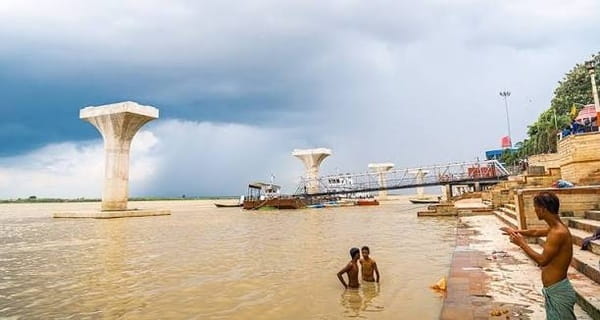
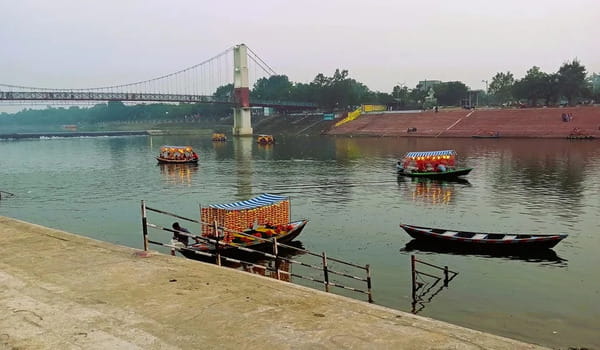
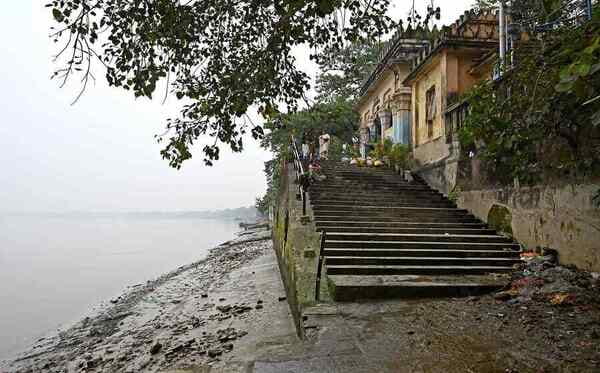
Babu Ghat (also known as Babughat or Baboo Raj Chandra Ghat) is one of the oldest and most historic riverfront ghats in Kolkata, West Bengal. Built in 1830, it is the second oldest ghat in the city after another early colonial-era landing point. Located on the banks of the Hooghly River along Strand Road in B.B.D. Bagh (Dalhousie Square area), it features a striking colonial pavilion in Doric-Greek style with tall, majestic pillars. The ghat serves as a bustling ferry terminal, a spot for religious rituals, and a popular riverside promenade offering scenic views of the river and the iconic Howrah Bridge.

Location of Babu Ghat
Babu Ghat is situated on the eastern bank of the Hooghly River in central Kolkata, in the B.B.D. Bagh area. It lies between other prominent ghats and offers beautiful eastward views across the river toward Howrah. The ghat was named after Babu Raj Chandra Das, the late husband of Rani Rashmoni (the renowned zamindar of Janbazar), who commissioned it in his memory. Its elegant pavilion and steps leading to the water make it a significant landmark blending colonial architecture with the spiritual and everyday life of the river.
Directions and How to Reach Babu Ghat
From Howrah Railway Station:
Approximately 5–6 km across the river. The quickest and most scenic way is a short ferry ride (just a few minutes, very economical). Taxis, autos, or cabs take 10–20 minutes via roads.
From Sealdah Railway Station:
Around 6–7 km. Easily reachable by taxi, auto-rickshaw, or metro (Esplanade station) + short cab/walk.
From Kolkata Railway Station (Chitpur):
About 5–6 km.
From Netaji Subhas Chandra Bose International Airport:
Approximately 18–20 km. The journey takes 45–70 minutes by taxi or app-based cab.
Nearest Metro Station:
Esplanade or Mahatma Gandhi Road Metro Station, followed by a short walk or cab ride.
The ghat is well-connected by road via Strand Road. Limited parking is available nearby; it gets busy during peak hours and festivals.
Timings at Babu Ghat
Babu Ghat is accessible from early morning to evening (typically 5:00 AM – 8:00/10:00 PM, varying slightly by source). There is no entry fee.
Best Visiting Hours:
- Morning (6:00 AM – 9:00 AM): Peaceful for walks, fresh air, and witnessing daily rituals.
- Evening (4:00 PM onwards): Popular for strolls, photography, and enjoying the sunset and city lights.
Ferry/Boat Ride Timings:
Ferries to Howrah Station and other points run frequently from early morning till late evening. Private boat rides for sightseeing are available during daylight hours. Evening rides offer charming views of the illuminated Howrah Bridge.
Best Time to Visit:
October to March for pleasant weather. Evenings are especially lively with the river breeze and golden-hour views.
Historical Significance and Atmosphere
Constructed during the British Raj by Rani Rashmoni, Babu Ghat has long served as an important landing point and ferry ghat. Its tall colonial pavilion with huge Doric pillars is a fine example of neoclassical architecture. Today, it remains highly functional — bustling with daily commuters using the ferries, devotees performing rituals and pujas, and visitors enjoying the riverside. The atmosphere is vibrant yet rooted in tradition: families stroll along the promenade, street vendors offer snacks and tea, and the constant flow of boats adds to the dynamic riverside energy.
Nearby Places to Visit
Babu Ghat’s prime central location makes it ideal for combining with other attractions:
- Howrah Bridge — Iconic views right from the ghat.
- Princep Ghat — Beautiful riverside walk along the promenade.
- BBD Bagh (Dalhousie Square) — Historic colonial buildings and business district.
- Eden Gardens — Famous cricket stadium.
- Millennium Park — Nearby landscaped riverside garden.
- Victoria Memorial & Maidan — A short distance away.
- Writers’ Building, High Court, and Netaji Indoor Stadium — All in the vicinity.
A pleasant riverside walk from Babu Ghat to Princep Ghat is highly recommended.
Frequently Asked Questions (FAQs)
Q: What are the best timings to visit Babu Ghat?
A: Mornings for peace and evenings for scenic beauty and atmosphere.
Q: is Babu Ghat located?
A: On Strand Road in B.B.D. Bagh, on the eastern bank of the Hooghly River in central Kolkata.
Q: How to reach Babu Ghat from Howrah Station?
A: Best by short ferry ride or 10–20 minutes by road.
Q: Is there an entry fee for Babu Ghat?
A: No entry fee. It is open to the public.
Q: are the best nearby places to Babu Ghat?
A: Howrah Bridge, Princep Ghat, Eden Gardens, BBD Bagh, and Millennium Park.
Q: Can I take a boat/ferry ride from Babu Ghat?
A: Yes, frequent public ferries to Howrah and private boats for sightseeing are readily available.
Q: Is Babu Ghat suitable for families?
A: Yes, it is family-friendly, though it can be crowded and busy as a working ferry ghat.
Q: What should I carry when visiting?
A: Water, comfortable shoes, camera/phone for photos, and light snacks. Be mindful of the steps near the water.
Overall, Babu Ghat perfectly captures Kolkata’s blend of colonial history, spiritual traditions, and vibrant riverside life. Its central location, easy accessibility, and scenic charm make it a must-visit spot for anyone exploring the heritage and soul of the City of Joy.