






Fatty liver disease has become increasingly common due to sedentary lifestyles, unhealthy eating habits, obesity, and rising rates of diabetes. Many people discover they have a fatty liver only after undergoing an abdominal ultrasound during a routine health check-up, as the condition often causes no symptoms in its early stages.
One diagnosis that frequently raises concern is Grade 2 fatty liver. While it indicates a moderate buildup of fat in the liver, it is often manageable with timely lifestyle changes. If left untreated, however, fatty liver disease may progress to inflammation, scarring (fibrosis), or even cirrhosis in some individuals.
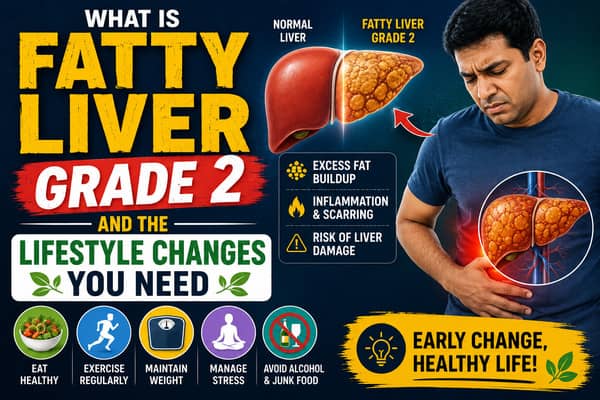
This article explains what Grade 2 fatty liver means, its common causes, symptoms, treatment options, and the lifestyle changes that can help improve liver health.
What Is Fatty Liver Disease?
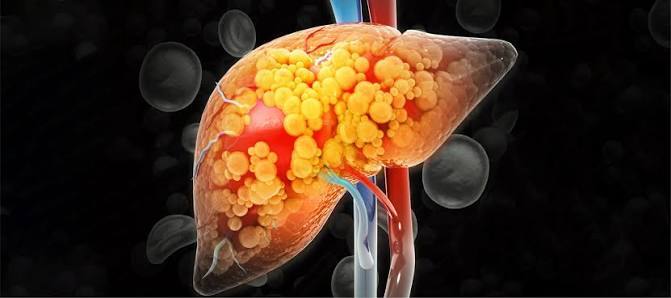
Fatty liver disease occurs when excess fat accumulates inside liver cells. Small amounts of fat are normal, but when fat makes up a significant proportion of the liver, it can interfere with normal liver function.
There are two major types:
- Non-alcoholic fatty liver disease (NAFLD), recently referred to by many medical organizations as Metabolic dysfunction-associated steatotic liver disease (MASLD), which is associated with obesity, diabetes, and metabolic health.
- Alcohol-related liver disease, caused by excessive alcohol consumption.
Your doctor will determine the underlying cause based on your medical history and examination.
What Does Grade 2 Fatty Liver Mean?
Fatty liver is commonly described on ultrasound as:
- Grade 1: Mild fat accumulation
- Grade 2: Moderate fat accumulation
- Grade 3: Severe fat accumulation
Grade 2 fatty liver indicates a moderate amount of fat in the liver. At this stage, the liver may appear brighter than normal on ultrasound, and deeper liver structures may become less clearly visible because of increased fat.
An ultrasound grading alone cannot determine whether there is inflammation or scarring. Your doctor may recommend additional tests if needed.
What Causes Grade 2 Fatty Liver?
Several factors can contribute to fat buildup in the liver.
Common causes include:
- Overweight or obesity
- Type 2 diabetes
- Insulin resistance
- High cholesterol
- High triglycerides
- High blood pressure
- Lack of physical activity
- Diets high in sugary drinks and processed foods
- Excessive alcohol intake
- Certain medications in some individuals
People with metabolic syndrome are at higher risk of developing fatty liver disease.
Symptoms of Grade 2 Fatty Liver
Many people have no symptoms, especially in the early stages.
When symptoms occur, they may include:
- Fatigue
- Mild discomfort or heaviness in the upper right side of the abdomen
- Feeling tired after meals
- General weakness
These symptoms are non-specific and can occur in many other conditions as well.
How Is Grade 2 Fatty Liver Diagnosed?
Doctors may use several methods to evaluate liver health.
Common investigations include:
- Abdominal ultrasound
- Liver function tests (LFTs)
- Blood sugar testing
- Lipid profile
- Body mass index (BMI)
- Waist circumference
In some cases, additional tests such as FibroScan (transient elastography), MRI, or blood-based fibrosis assessments may be recommended to evaluate liver stiffness and the risk of fibrosis.
Can Grade 2 Fatty Liver Be Reversed?
In many people, yes.
If identified early, reducing liver fat through healthy lifestyle changes can improve liver health and lower the risk of disease progression.
The extent of improvement depends on factors such as:
- Weight management
- Blood sugar control
- Cholesterol levels
- Alcohol intake
- Overall metabolic health
- Consistency with lifestyle changes
Your healthcare provider will monitor your progress with follow-up assessments.
Lifestyle Changes for Grade 2 Fatty Liver
1. Achieve a Healthy Weight
If you are overweight, gradual and sustained weight loss can reduce fat in the liver.
Avoid crash diets or rapid weight-loss programs, as they may worsen liver health in some cases.
Your doctor or dietitian can help you set a safe and realistic weight-loss goal.
2. Eat a Balanced Diet
Choose foods that support liver and overall metabolic health.
Include:
- Fresh vegetables
- Fruits in appropriate portions
- Whole grains
- Lentils and beans
- Lean protein sources
- Healthy fats such as nuts and seeds in moderation
Limit:
- Sugary beverages
- Refined carbohydrates
- Deep-fried foods
- Processed snacks
- Foods high in saturated and trans fats
A balanced eating pattern is generally more sustainable than restrictive diets.
3. Exercise Regularly
Regular physical activity helps reduce liver fat and improves insulin sensitivity.
Aim for at least 150 minutes of moderate-intensity exercise per week, such as:
- Brisk walking
- Cycling
- Swimming
- Jogging
Adding strength-training exercises at least two days a week may provide additional metabolic benefits.
Consult your doctor before beginning a new exercise program if you have underlying health conditions.
4. Control Blood Sugar
People with diabetes should work with their healthcare provider to maintain good blood sugar control.
Healthy blood glucose levels can reduce the risk of liver disease progression.
5. Manage Cholesterol and Triglycerides
High cholesterol and triglyceride levels often occur alongside fatty liver.
Lifestyle measures—and medications when prescribed—can help reduce cardiovascular and liver-related risks.
6. Avoid Excess Alcohol
If your doctor advises you to avoid alcohol, follow that recommendation carefully.
Alcohol can worsen liver damage, especially in people who already have fatty liver disease.
7. Get Adequate Sleep
Poor sleep has been linked to obesity and metabolic disorders.
Aim for 7 to 9 hours of quality sleep each night to support overall health.
Are Medicines Needed?
Currently, there is no single medication approved specifically to treat uncomplicated fatty liver disease in all patients.
Treatment focuses primarily on:
- Weight management
- Healthy eating
- Physical activity
- Managing diabetes
- Controlling blood pressure
- Treating abnormal cholesterol levels
In selected cases, doctors may prescribe medications based on individual health conditions and current clinical guidelines.
Never take herbal supplements or “liver detox” products without consulting your healthcare provider, as some may cause liver injury.
Common Mistakes to Avoid
Avoid these common misconceptions:
- Ignoring the diagnosis because there are no symptoms.
- Following extreme fad diets.
- Depending on unproven liver-cleansing products.
- Continuing excessive alcohol consumption.
- Skipping follow-up appointments.
- Stopping prescribed medicines without medical advice.
Consistent lifestyle improvements are more effective than quick fixes.
When Should You See a Doctor?
Consult your healthcare provider if:
- Your ultrasound shows Grade 2 fatty liver.
- Liver function tests are abnormal.
- You have diabetes or obesity.
- You experience persistent abdominal discomfort.
- You develop jaundice, swelling, or other symptoms of liver disease.
Regular monitoring helps detect progression early and guides appropriate treatment.
Conclusion
Grade 2 fatty liver indicates a moderate accumulation of fat in the liver and is often associated with obesity, diabetes, high cholesterol, and other metabolic risk factors. Although it can be concerning, the condition is frequently manageable when detected early. Healthy eating, regular physical activity, gradual weight loss, good blood sugar control, and avoiding excess alcohol can significantly improve liver health and reduce the risk of progression.
Because fatty liver disease often causes no symptoms, routine health check-ups and follow-up with your healthcare provider are essential. If you’ve been diagnosed with Grade 2 fatty liver, adopting sustainable lifestyle changes today can protect your liver and improve your overall long-term health.
FAQs
1. Is Grade 2 fatty liver serious?
Grade 2 fatty liver indicates a moderate buildup of fat in the liver. While it is more advanced than Grade 1, many people can improve their liver health through lifestyle changes and management of underlying conditions. Regular medical follow-up is important.
2. Can Grade 2 fatty liver be reversed?
In many cases, yes. Gradual weight loss, a balanced diet, regular exercise, and proper control of diabetes, cholesterol, and blood pressure can reduce liver fat and improve liver function.
3. Which foods should I avoid with Grade 2 fatty liver?
Limit sugary drinks, refined carbohydrates, deep-fried foods, processed snacks, foods high in saturated and trans fats, and alcohol if advised by your doctor.
4. Is exercise helpful for fatty liver?
Yes. Regular physical activity can reduce liver fat, improve insulin sensitivity, support weight management, and lower the risk of disease progression. Aim for at least 150 minutes of moderate exercise each week, unless your doctor recommends otherwise.
5. Does Grade 2 fatty liver always progress to cirrhosis?
No. Many people with Grade 2 fatty liver do not develop cirrhosis, especially if they make appropriate lifestyle changes and manage risk factors early. Regular monitoring helps identify any progression and guide timely treatment.