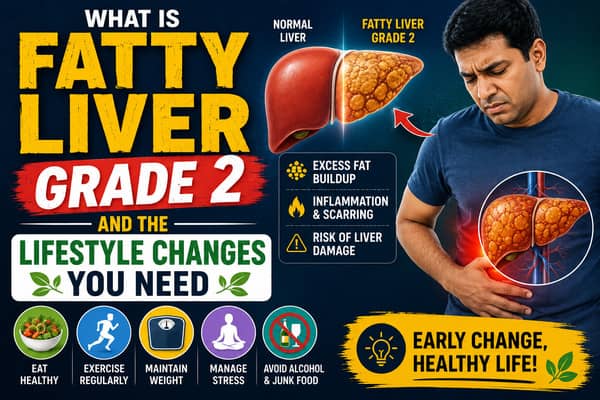








For many years, fatty liver disease was considered a condition primarily affecting people who were overweight or obese. However, doctors are increasingly diagnosing fatty liver in slim or normal-weight adults, particularly in India. This has challenged the common belief that only excess body weight leads to liver fat accumulation.
The condition, often referred to as lean fatty liver or lean Metabolic dysfunction-associated steatotic liver disease (lean MASLD), can occur even when a person’s Body Mass Index (BMI) falls within the normal range. Although these individuals may appear healthy, they can still develop liver fat due to metabolic and genetic factors.
This article explains why fatty liver is becoming more common among slim Indian adults, its causes, risk factors, symptoms, diagnosis, and lifestyle measures that can help protect liver health.
What Is Fatty Liver Disease?
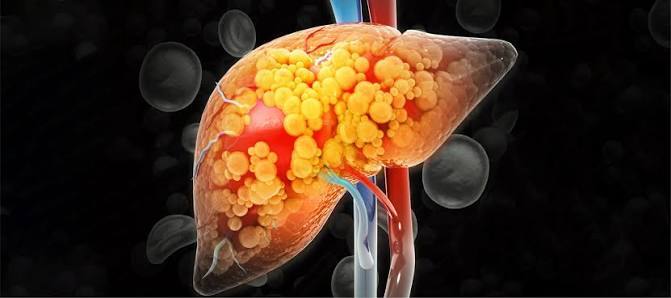
Fatty liver disease occurs when excess fat builds up inside liver cells. A small amount of fat in the liver is normal, but excessive accumulation may affect liver function and, over time, increase the risk of inflammation, fibrosis (scarring), cirrhosis, or liver cancer in some individuals.
The most common form is Metabolic dysfunction-associated steatotic liver disease (MASLD), previously known as Non-alcoholic fatty liver disease (NAFLD). It is linked to metabolic conditions rather than excessive alcohol consumption.
Can Slim People Develop Fatty Liver?
Yes.
Being slim does not guarantee a healthy liver. Many Indian adults with a normal BMI are diagnosed with fatty liver during routine ultrasound examinations or health check-ups.
This is partly because body weight alone does not reflect where fat is stored. Some people accumulate excess fat around internal organs, including the liver, even though they appear lean externally.
Why Is Lean Fatty Liver Common in Indians?
Several factors contribute to the growing number of lean Indians with fatty liver.
1. Higher Abdominal Fat Despite Normal Weight
Many Indians tend to store fat around the abdomen rather than evenly throughout the body.
This type of visceral fat surrounds internal organs and is more strongly associated with insulin resistance, diabetes, and fatty liver than overall body weight.
A person with a normal BMI but a larger waist circumference may still be at increased metabolic risk.
2. Insulin Resistance
Insulin resistance occurs when the body’s cells become less responsive to insulin.
As a result:
- Blood sugar regulation becomes less efficient.
- The liver produces and stores more fat.
- The risk of developing fatty liver increases.
Insulin resistance can occur even in individuals who are not overweight.
3. Diet High in Refined Carbohydrates
Many traditional and modern Indian diets include large amounts of:
- White rice
- Refined flour (maida)
- Sugary beverages
- Sweets
- Bakery products
- Processed snacks
Excess intake of refined carbohydrates and added sugars can contribute to fat accumulation in the liver, even without significant weight gain.
4. Lack of Physical Activity
Someone may appear slim but still have low muscle mass and poor metabolic fitness.
A sedentary lifestyle reduces calorie expenditure and can increase liver fat despite maintaining a normal body weight.
Regular exercise improves insulin sensitivity and supports liver health.
5. Genetic Factors
Genetics also play a role.
Some individuals inherit genetic variations that make them more likely to accumulate fat in the liver, even when they maintain a healthy weight.
Family history may increase susceptibility.
6. High Cholesterol and Triglycerides
Even slim individuals can have:
- High LDL cholesterol
- Elevated triglycerides
- Low HDL cholesterol
These metabolic abnormalities are associated with fatty liver disease.
Routine blood tests may detect these changes before symptoms develop.
Symptoms of Fatty Liver
Fatty liver often causes no symptoms, particularly in its early stages.
When symptoms do occur, they may include:
- Fatigue
- Mild discomfort in the upper right abdomen
- Feeling tired after meals
- General weakness
Because symptoms are often absent, many cases are discovered incidentally during health check-ups.
How Is Fatty Liver Diagnosed?
Doctors evaluate fatty liver using a combination of medical history, examination, and investigations.
Common tests include:
- Abdominal ultrasound
- Liver function tests (LFTs)
- Lipid profile
- Blood sugar tests
- HbA1c (for diabetes screening)
- Waist circumference measurement
If liver scarring is suspected, additional tests such as FibroScan (transient elastography) or other fibrosis assessments may be recommended.
Can Lean Fatty Liver Be Serious?
Yes.
Although some people assume lean fatty liver is less harmful, research suggests that normal-weight individuals can still develop liver inflammation, fibrosis, and other complications.
In addition, lean fatty liver may increase the risk of:
- Type 2 diabetes
- Heart disease
- Chronic kidney disease
- Advanced liver disease
Regular follow-up is important regardless of body weight.
Lifestyle Changes That Help
Eat a Balanced Diet
Focus on:
- Fresh vegetables
- Whole fruits in moderation
- Whole grains
- Lentils and beans
- Lean protein sources
- Healthy fats from nuts and seeds
Limit:
- Sugary drinks
- Processed foods
- Refined flour products
- Deep-fried foods
- Foods high in added sugar
A balanced dietary pattern is more beneficial than restrictive fad diets.
Exercise Regularly
Aim for at least 150 minutes of moderate-intensity physical activity each week.
Include:
- Brisk walking
- Cycling
- Swimming
- Strength training twice weekly
Building muscle mass can improve insulin sensitivity, even in lean individuals.
Maintain a Healthy Waist Circumference
Waist size is often a better indicator of metabolic health than body weight alone.
Reducing abdominal fat can help lower liver fat.
Manage Blood Sugar and Cholesterol
Even if you’re slim, regular screening for:
- Diabetes
- High cholesterol
- High triglycerides
- High blood pressure
is important, especially if you have a family history of metabolic disease.
Avoid Excess Alcohol
Alcohol can worsen liver damage in people with fatty liver.
Follow your healthcare provider’s recommendations regarding alcohol consumption.
Common Mistakes to Avoid
Avoid these misconceptions:
- Assuming a normal BMI means your liver is healthy.
- Ignoring abnormal liver function tests.
- Depending on “liver detox” products or herbal supplements without medical advice.
- Skipping follow-up appointments because you feel well.
- Believing only overweight people develop fatty liver.
Early intervention can significantly improve outcomes.
When Should You See a Doctor?
Consult a healthcare provider if:
- An ultrasound shows fatty liver.
- Liver function tests are abnormal.
- You have diabetes, high cholesterol, or high blood pressure.
- You experience persistent fatigue or abdominal discomfort.
- You have a family history of liver disease or metabolic disorders.
Your doctor can determine whether additional tests or treatment are necessary.
Conclusion
Fatty liver is no longer a condition limited to people who are overweight. An increasing number of slim Indian adults are developing fatty liver due to factors such as abdominal fat accumulation, insulin resistance, unhealthy dietary habits, physical inactivity, genetic predisposition, and metabolic abnormalities. A normal BMI does not always reflect good metabolic health, making regular health check-ups especially important.
The good news is that lean fatty liver can often be managed effectively through balanced nutrition, regular exercise, improved metabolic health, and routine medical follow-up. If you’ve been diagnosed with fatty liver despite having a normal body weight, don’t ignore it. Early lifestyle changes can help reduce liver fat, prevent complications, and support long-term overall health.
FAQs
1. Can a slim person really develop fatty liver?
Yes. Fatty liver can occur in people with a normal BMI, particularly if they have excess abdominal fat, insulin resistance, unhealthy dietary habits, or certain genetic risk factors.
2. Why is fatty liver common in Indians?
Many Indians have a tendency to accumulate visceral (abdominal) fat and develop insulin resistance even at relatively lower body weights. Diet, physical inactivity, and genetic factors also contribute.
3. Can lean fatty liver be reversed?
In many cases, yes. Healthy eating, regular physical activity, improving insulin sensitivity, and managing cholesterol and blood sugar can reduce liver fat and improve liver health.
4. Do I need to lose weight if I have lean fatty liver?
Not necessarily. Even if weight loss is not required, reducing abdominal fat, improving muscle mass, eating a balanced diet, and staying physically active can significantly improve liver health. Your doctor or dietitian can provide personalized guidance.
5. Is lean fatty liver dangerous?
It can be. Lean fatty liver may progress to liver inflammation, fibrosis, or other complications if left untreated. It is also associated with an increased risk of diabetes and cardiovascular disease, making regular medical follow-up important.