India’s famous temples are not merely places where people stop for a quick prayer. A temple journey may involve waking before sunrise, standing in a long darshan queue, climbing a mountain path, following strict entry rules and travelling hundreds of kilometres with family members. Without proper planning, an important pilgrimage can become physically exhausting.
Visitor numbers change according to festivals, seasons and special occasions, but the following destinations consistently remain among the most visited temples in India. Each offers a different experience—from a hilltop pilgrimage and riverside worship to grand architecture and centuries-old traditions.
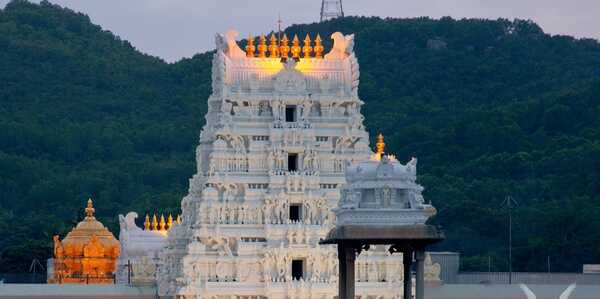
1. Tirumala Venkateswara Temple, Tirupati
Tirumala Venkateswara Temple in Andhra Pradesh is one of India’s busiest pilgrimage centres. Dedicated to Lord Venkateswara, the temple stands on the Tirumala Hills and attracts devotees from across India throughout the year.
Darshan can take several hours, particularly during weekends, school holidays and major festivals. Pilgrims should book accommodation and available darshan options in advance instead of depending entirely on arrangements after arrival.
Visitors can reach Tirumala by road or use the traditional walking routes from Tirupati. Many devotees also offer their hair as an expression of faith and humility. Modest clothing is expected, and electronic items may need to be deposited before entering restricted areas.
Families travelling with children or senior citizens should keep medicines, identification documents and basic essentials ready. Avoid planning a tight return journey immediately after darshan because waiting times can change unexpectedly.
2. Mata Vaishno Devi Temple, Katra
Mata Vaishno Devi Temple is situated in the Trikuta Hills near Katra in Jammu and Kashmir. The pilgrimage involves travelling from Katra to the sacred Bhawan through a long uphill route filled with chants of “Jai Mata Di.”
Pilgrims can walk, use authorised transport facilities on permitted sections or explore assistance options available for elderly visitors. Physical preparation matters because the journey can be tiring, especially in cold, rainy or crowded conditions.
Wear shoes with a strong grip and carry only essential luggage. Registration requirements should be completed before beginning the pilgrimage. Weather conditions can change quickly in the hills, so light rain protection and suitable clothing are useful.
Devotees planning to visit during Navratri or peak holiday periods should reserve transport and accommodation well in advance. A rushed same-day journey may not be comfortable for families.
3. Kashi Vishwanath Temple, Varanasi
Kashi Vishwanath Temple is one of the twelve Jyotirlingas and a major place of worship dedicated to Lord Shiva. Located close to the Ganga in Varanasi, it forms an important part of the city’s spiritual identity.
A typical visit may include temple darshan, walking through the old lanes and spending time at nearby ghats. Many devotees also attend the Ganga Aarti, but temple queues and evening ghat crowds should be treated as separate parts of the day.
Visitors should carry minimal belongings because security checks are strict and several items may not be permitted inside. The surrounding lanes can be narrow and crowded, making comfortable footwear essential.
Early morning is generally preferred by pilgrims seeking a quieter spiritual atmosphere. During Mahashivratri, Shravan and important religious dates, crowd levels can rise sharply. Travellers with elderly relatives should stay close to the temple area to reduce unnecessary walking.
4. Jagannath Temple, Puri
Jagannath Temple in Puri, Odisha, is dedicated to Lord Jagannath, along with Balabhadra and Subhadra. It is one of India’s most important pilgrimage destinations and is especially known for the grand Rath Yatra.
The temple complex follows traditional entry and worship practices. Visitors should understand the applicable entry rules before planning the trip, as access to the inner temple is restricted under established customs.
The area around the temple becomes extremely crowded during Rath Yatra and other major occasions. Families should decide whether they want to experience the festival atmosphere or prefer a calmer visit on regular days.
Mahaprasad is an important part of the pilgrimage experience. Visitors can also combine the temple visit with Puri Beach, but it is better to keep religious activities and sightseeing in separate time blocks rather than rushing between them.
5. Meenakshi Amman Temple, Madurai
Meenakshi Amman Temple is the cultural and spiritual centre of Madurai in Tamil Nadu. Dedicated to Goddess Meenakshi and Lord Sundareswarar, the complex is famous for its colourful gateway towers, detailed sculptures, pillared halls and active daily rituals.
Unlike a monument that can be covered in a few minutes, this temple rewards slow exploration. Visitors should allow enough time to observe its architecture while respecting worship areas and ongoing ceremonies.
Festival periods, particularly the annual wedding celebrations of Meenakshi and Sundareswarar, attract large crowds. On regular days, early morning or less busy daytime periods may provide a more comfortable experience.
Dress conservatively and follow instructions regarding footwear, photography and electronic devices. The temple is located in a busy commercial area, so choosing accommodation nearby can reduce travel time.
Frequently Asked Questions
Which temple is best for a first pilgrimage with senior citizens?
Tirupati, Kashi Vishwanath and Madurai offer established visitor facilities, but crowd management remains important. Select non-festival dates, use authorised assistance and keep the schedule flexible.
How can pilgrims avoid very long darshan queues?
Visit on weekdays, avoid major festivals and school holidays, and use official advance-booking options where available. Arriving early may help, but it does not guarantee a short queue.
What should visitors wear to famous Indian temples?
Simple, modest clothing is the safest choice. Some temples follow specific dress traditions, so check current requirements before travelling.
Can all temple arrangements be made after reaching the destination?
It is risky during busy seasons. Transport, accommodation, pilgrimage registration and available darshan arrangements should be completed in advance whenever possible.