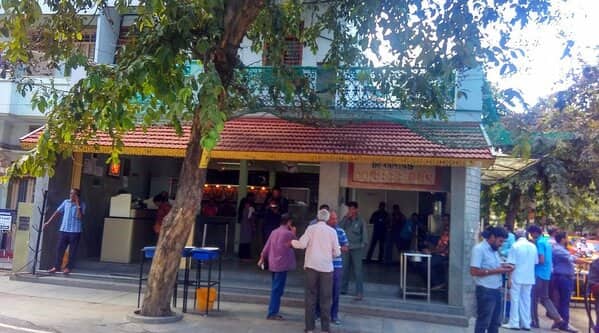









Street food is an integral part of India’s culinary identity. Whether it’s spicy chaat in Delhi, pav bhaji in Mumbai, puchka in Kolkata, or poha in Indore, millions of people enjoy affordable and flavorful street food every day. In the past, concerns about cleanliness and food safety often discouraged some people from eating at roadside stalls. However, in recent years, hygiene standards at many street food destinations have improved significantly.
Driven by increased consumer awareness, government initiatives, digital payment systems, tourism growth, and food safety training, vendors across major Indian cities are adopting better practices to serve cleaner and safer food. While standards still vary from one vendor to another, the overall trend is encouraging for both locals and tourists.

This article explores how hygiene is improving across India’s street food culture and what customers should still keep in mind when choosing where to eat.
Why Street Food Hygiene Matters
Street food is popular because it is:
- Affordable
- Convenient
- Freshly prepared
- Rich in local flavors
However, poor hygiene can increase the risk of foodborne illnesses caused by contaminated food or water. Maintaining cleanliness during food preparation, storage, and serving helps protect both customers and vendors.
Improved hygiene also builds trust and attracts more visitors, particularly domestic and international tourists.
Greater Awareness Among Food Vendors
Today’s street food vendors are more aware of customer expectations than ever before.
Many have started adopting practices such as:
- Wearing gloves while handling food
- Using aprons and hair covers
- Keeping cooking areas clean
- Separating raw and cooked ingredients
- Covering prepared food to reduce dust exposure
These small improvements contribute to a safer dining experience.
Food Safety Training Programs
In many cities, food vendors have benefited from training programs conducted by local authorities and food safety agencies.
These programs typically focus on:
- Safe food handling
- Personal hygiene
- Proper storage temperatures
- Prevention of cross-contamination
- Safe water usage
- Waste disposal
Training helps vendors understand how cleanliness directly affects customer health and business reputation.
Better Access to Clean Water
Access to safe water is essential for food preparation, utensil cleaning, and handwashing.
Many popular street food markets have seen improvements such as:
- Better municipal water supply
- Filtered water systems
- Dedicated handwashing facilities
- Improved drainage
These developments help reduce contamination risks.
Increased Use of Disposable and Eco-Friendly Serving Materials
Traditional reusable plates and glasses have increasingly been replaced with cleaner alternatives, including:
- Paper plates
- Areca leaf plates
- Compostable bowls
- Wooden cutlery
- Food-grade disposable containers
Many vendors have also reduced the use of single-use plastics by adopting biodegradable serving options.
Digital Payments Reduce Food Handling
The widespread adoption of digital payment methods has indirectly improved hygiene.
With UPI and QR code payments becoming common, vendors often handle less cash while preparing food. This reduces one potential source of contamination, although proper hand hygiene remains important.
Digital transactions also make purchasing quicker and more convenient for customers.
Improved Waste Management
Popular street food markets in many cities now feature:
- Public dustbins
- Regular garbage collection
- Cleaner walkways
- Better drainage systems
- Organized waste disposal
These improvements create a cleaner environment for both vendors and visitors.
Better Equipment and Food Storage
Many experienced vendors now invest in equipment that supports safer food preparation, such as:
- Stainless steel work surfaces
- Covered ingredient containers
- Insulated storage boxes
- Glass display cabinets
- Food-grade utensils
Protecting food from dust, insects, and direct sunlight helps maintain freshness.
Growing Importance of Food Safety Regulations
Food businesses, including many street vendors, are increasingly aware of food safety regulations and licensing requirements.
Compliance with food safety standards encourages practices such as:
- Maintaining clean cooking areas
- Using safe ingredients
- Proper food storage
- Regular equipment cleaning
Although implementation varies, awareness of food safety responsibilities has grown considerably.
Social Media Encourages Better Standards
Customer reviews and social media have transformed the street food industry.
Popular vendors are now judged not only on taste but also on:
- Cleanliness
- Food presentation
- Customer service
- Overall dining experience
Positive online reviews can attract thousands of customers, while poor hygiene may quickly damage a vendor’s reputation.
This increased visibility motivates many vendors to maintain higher standards.
Tourists Expect Cleaner Food Experiences
India’s growing tourism industry has encouraged improvements in street food hygiene.
Many vendors serving popular tourist destinations now recognize that maintaining cleanliness can:
- Increase customer confidence
- Encourage repeat visits
- Improve online ratings
- Strengthen local food tourism
Clean food stalls benefit both businesses and visitors.
How Customers Can Choose Hygienic Street Food
Even with improving standards, customers should make informed choices.
Look for vendors who:
- Prepare food fresh in front of customers.
- Have a steady flow of customers.
- Keep ingredients covered.
- Maintain a clean cooking area.
- Use clean utensils.
- Wear clean clothing.
- Handle money and food separately whenever possible.
Freshly prepared food is generally safer than food left exposed for long periods.
Signs of a Well-Maintained Food Stall
Good hygiene practices often include:
- Covered waste bins
- Fresh ingredients
- Clean countertops
- Separate chopping boards for raw and cooked foods
- Regular handwashing
- Proper storage of sauces and condiments
Observing these details can help you make safer choices.
Areas That Still Need Improvement
Despite encouraging progress, challenges remain in some locations.
These may include:
- Limited access to clean water
- Poor waste disposal infrastructure
- Crowded markets
- Exposure to dust and pollution
- Inconsistent refrigeration for perishable foods
Continued investment in infrastructure and training can help address these issues.
Tips for Enjoying Street Food Safely
To reduce the risk of foodborne illness:
- Choose busy vendors with high customer turnover.
- Prefer freshly cooked food served hot.
- Drink bottled or filtered water.
- Wash or sanitize your hands before eating.
- Avoid food that appears stale or has been left uncovered.
- Be cautious with raw salads or chutneys if hygiene appears questionable.
These simple precautions allow you to enjoy street food with greater confidence.
The Future of Street Food Hygiene in India
Technology, training, and growing public awareness are expected to continue improving hygiene standards across India’s street food sector.
Future developments may include:
- Greater adoption of digital ordering and payments
- Improved food safety education
- Better market infrastructure
- More sustainable serving materials
- Increased participation in food safety certification programs
These changes can strengthen India’s reputation as a world-class street food destination.
Conclusion
Street food remains one of the most exciting ways to experience India’s rich culinary heritage, and hygiene standards have improved noticeably across many major cities. Better food safety awareness, cleaner preparation practices, improved infrastructure, digital payments, and stronger customer expectations are helping vendors provide a safer dining experience than in the past. While there is still room for improvement in some areas, the positive changes are encouraging for both residents and visitors.
As a customer, choosing busy, well-maintained food stalls and following basic food safety precautions can help you enjoy authentic street food with greater peace of mind. By supporting vendors who prioritize cleanliness, consumers also encourage higher hygiene standards throughout India’s vibrant street food culture.
FAQs
1. Is street food becoming safer in India?
Yes. Many vendors have adopted better hygiene practices, including cleaner cooking areas, covered food storage, improved waste management, and safer serving methods. However, hygiene standards can still vary between vendors.
2. How can I identify a hygienic street food stall?
Look for stalls with high customer turnover, freshly prepared food, clean utensils, covered ingredients, tidy workspaces, and vendors who maintain good personal hygiene.
3. Are digital payments helping improve hygiene?
Indirectly, yes. Digital payments reduce the need to handle cash during food preparation, which may lower one potential source of contamination when combined with good hand hygiene.
4. Should tourists avoid street food?
Not necessarily. Many street food vendors maintain good hygiene standards. Choosing popular, busy stalls that prepare food fresh and following basic food safety precautions can help reduce health risks.
5. What should I avoid when eating street food?
Avoid food that appears stale, has been left uncovered for long periods, or is prepared in visibly unhygienic conditions. It’s also advisable to drink bottled or filtered water and practice good hand hygiene before eating.