








Street food has always been an essential part of urban life, offering quick, affordable, and delicious meals to millions of people every day. From roadside carts and neighborhood food stalls to organized food streets and night markets, street food has evolved significantly over the years. Today, it is no longer viewed merely as a convenient meal option but as a reflection of a city’s culture, history, and culinary creativity.
India’s major metro cities—including Delhi, Mumbai, Bengaluru, Kolkata, Chennai, Hyderabad, and Pune—have witnessed remarkable changes in their street food culture. Influenced by changing lifestyles, technology, tourism, and consumer preferences, street food has become cleaner, more diverse, and more accessible than ever before.

This article explores how street food culture has evolved across urban metro cities and why it continues to thrive in modern India.
The Traditional Roots of Street Food
Street food has existed for centuries. Historically, vendors sold freshly prepared snacks, sweets, and meals in busy markets, outside temples, near railway stations, and in commercial areas where travelers and workers needed affordable food.
Traditional favorites such as chaat, dosas, idlis, kachoris, kebabs, jalebis, poha, and samosas became popular because they were inexpensive, filling, and easy to prepare in large quantities.
Many of these recipes have been passed down through generations and remain popular today.
Urbanization Changed Eating Habits
As Indian cities expanded rapidly, people’s lifestyles became busier. Longer commutes, office jobs, educational institutions, and growing commercial districts increased the demand for quick meals.
Street food vendors adapted by:
- Extending operating hours
- Introducing takeaway packaging
- Expanding their menus
- Serving breakfast, lunch, evening snacks, and late-night meals
The ability to provide fast, freshly prepared food made street vendors an important part of city life.
Regional Flavors Began to Travel
One of the biggest changes in metro cities has been the availability of regional street food from across India.
Today, it is common to find:
- Kolkata-style Kathi Rolls in Bengaluru
- Mumbai Vada Pav in Delhi
- Hyderabad Haleem in Pune
- Chennai-style Dosas in Mumbai
- Indore Poha in Gurugram
Migration and cultural exchange have transformed metro cities into melting pots of regional cuisines.
Fusion Street Food Became Popular
Modern consumers enjoy experimenting with flavors, encouraging vendors to create innovative dishes.
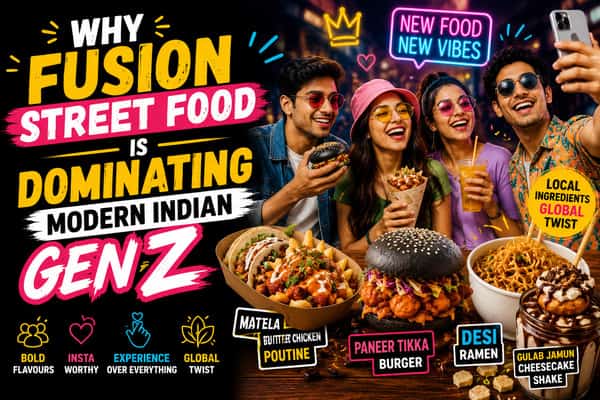
Popular fusion street foods include:
- Cheese-loaded Pav Bhaji
- Tandoori Momos
- Chocolate Pani Puri
- Pizza Dosa
- Butter Maggi
- Schezwan Vada Pav
- Paneer Tikka Rolls
While traditional recipes remain popular, fusion dishes have attracted younger customers looking for new culinary experiences.
Social Media Revolutionized Street Food
Platforms such as Instagram, YouTube, and food blogs have dramatically changed how people discover street food.
Today, a single viral video can make a small food stall famous across the country.
Customers often choose vendors based on:
- Food presentation
- Customer reviews
- Viral recommendations
- Influencer videos
- Online ratings
This visibility has encouraged vendors to improve both taste and presentation.
Improved Hygiene Standards
In recent years, many street food vendors have adopted better hygiene practices.
Common improvements include:
- Gloves and hair caps
- Covered food containers
- Stainless steel equipment
- Better waste disposal
- Cleaner cooking stations
- Filtered drinking water
Growing customer awareness and food safety training have encouraged many vendors to prioritize cleanliness.
Digital Payments Changed the Experience
The widespread adoption of UPI and QR code payments has made street food purchases faster and more convenient.
Benefits include:
- Cashless transactions
- Faster service
- Easy bill splitting
- Better convenience for tourists
Many small vendors now accept digital payments, making street food more accessible than ever.
Food Streets and Night Markets
Several metro cities have developed organized food streets that attract thousands of visitors every evening.
Popular examples include:
- Chandni Chowk in Delhi
- Mohammed Ali Road in Mumbai
- VV Puram Food Street in Bengaluru
- Sarafa Bazar in Indore
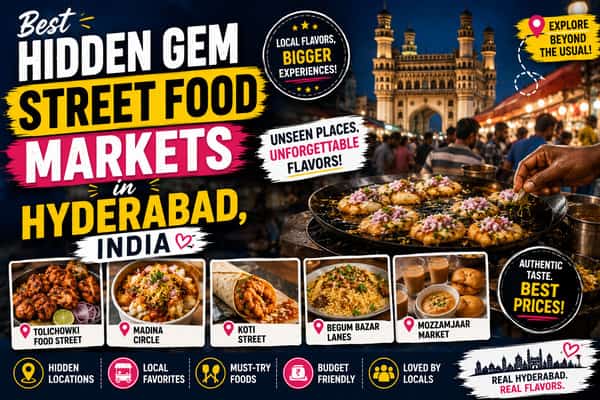
- Charminar food streets in Hyderabad
These destinations combine traditional recipes with lively atmospheres, making them major tourist attractions.
Street Food and Tourism
Street food has become an important part of travel experiences.
Many tourists now include food walks and guided culinary tours in their itineraries.
Benefits include:
- Authentic local flavors
- Affordable meals
- Cultural experiences
- Opportunities to interact with local vendors
Food tourism has also created new income opportunities for small businesses.
Rise of Health-Conscious Street Food
Consumer preferences have changed significantly over the last decade.
Many vendors now offer healthier alternatives such as:
- Millet dosas
- Whole wheat wraps
- Fresh fruit bowls
- Sprout chaat
- Low-oil snacks
- Fresh sugarcane juice
- Fresh coconut water
Customers increasingly seek healthier choices without sacrificing taste.
Technology Helps Small Vendors Grow
Modern technology has transformed the street food business.
Many vendors now use:
- Digital payment systems
- Social media marketing
- Food delivery platforms
- Online customer reviews
- GPS-based business listings
These tools help attract more customers and improve business visibility.
Challenges Still Remain
Despite significant progress, street food vendors continue to face several challenges.
These include:
- Rising ingredient costs
- Weather-related disruptions
- Limited storage space
- Intense competition
- Waste management
- Regulatory compliance
Addressing these challenges requires continued support through infrastructure, training, and access to financial resources.
The Future of Street Food
The future of street food in urban metro cities looks promising.
Emerging trends include:
- Eco-friendly packaging
- Smart payment solutions
- Cleaner cooking equipment
- Sustainable food practices
- Cloud kitchens inspired by street food
- Organized food festivals
As cities continue to grow, street food is expected to remain an important part of urban culture.
Tips for Exploring Street Food
To enjoy the best experience:
- Visit popular food streets.
- Choose vendors with high customer turnover.
- Eat freshly prepared food.
- Drink bottled or filtered water.
- Carry both digital payment options and some cash.
- Explore local specialties rather than only familiar dishes.
A little planning can make your culinary journey more enjoyable.
Conclusion
The evolution of street food culture in India’s urban metro cities reflects the country’s changing lifestyle, technological progress, and rich culinary diversity. What began as simple roadside meals has grown into a vibrant industry that blends traditional recipes with modern innovations. Improved hygiene standards, digital payments, social media influence, organized food streets, and the introduction of healthier and fusion dishes have transformed the street food experience while preserving its authentic charm.
Whether you’re enjoying chaat in Delhi, Vada Pav in Mumbai, dosas in Bengaluru, or kebabs in Hyderabad, street food continues to bring people together through affordable, flavorful, and memorable dining experiences. As metro cities evolve, street food remains a symbol of India’s cultural heritage and entrepreneurial spirit, ensuring that this beloved tradition continues to thrive for generations to come.
FAQs
1. Why is street food so popular in metro cities?
Street food is popular because it offers affordable, quick, and freshly prepared meals that suit the fast-paced lifestyles of urban residents while showcasing regional culinary traditions.
2. How has technology changed street food culture?
Technology has introduced digital payments, online reviews, GPS listings, food delivery platforms, and social media promotion, helping vendors reach more customers and improve convenience.
3. Are street food hygiene standards improving?
Yes. Many vendors have adopted cleaner cooking practices, better food storage, improved waste management, and safer serving methods due to increased customer awareness and food safety initiatives.
4. What are food streets?
Food streets are dedicated areas where numerous street food vendors operate together, offering a wide variety of local and regional dishes. They have become popular attractions for both residents and tourists.
5. What is the future of street food in India?
The future is expected to include greater use of eco-friendly packaging, healthier menu options, digital technology, organized food markets, and sustainable business practices while preserving the authentic flavors that make Indian street food unique.