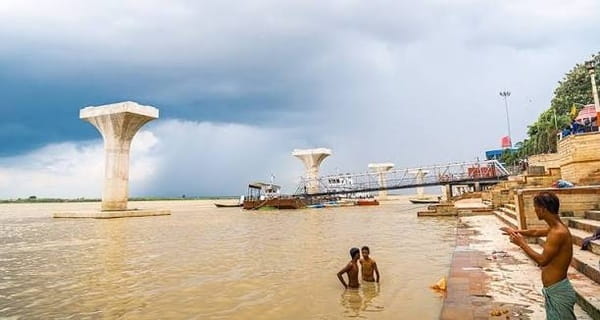
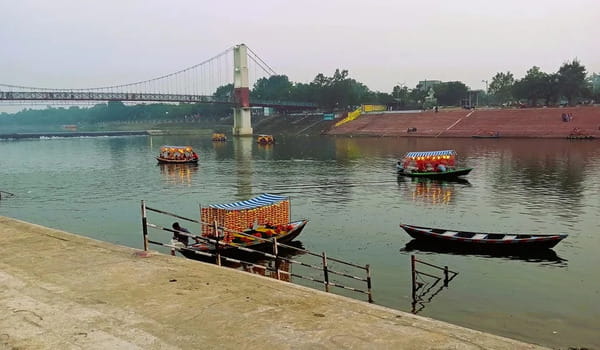
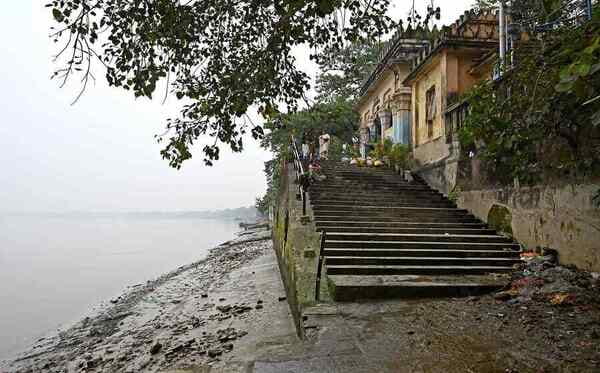
Brahma Ghat is one of the ancient and spiritually important ghats along the western bank of the Ganges River in Varanasi. It is believed to be the place where Lord Brahma performed a yajna (sacred ritual) and is mentioned in several ancient scriptures. The ghat is relatively quiet and holds deep religious significance for devotees seeking purification and blessings.
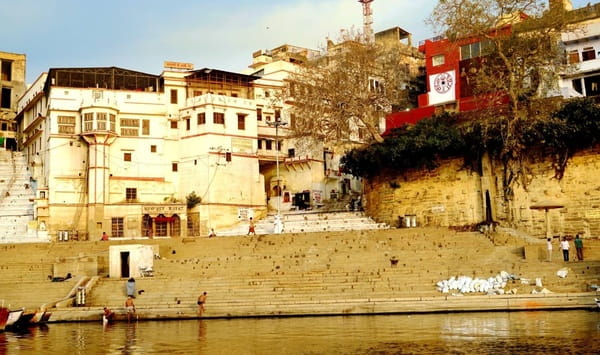
Location of Brahma Ghat
Brahma Ghat is located in the central stretch of Varanasi’s ghats, between Mansarovar Ghat and Darbhanga Ghat. It faces eastward toward the Ganges River and features traditional stone steps leading to the water. A small temple dedicated to Lord Brahma can be found near the ghat, adding to its sanctity.
Directions and How to Reach Brahma Ghat
From Varanasi Junction Railway Station (BSB):
Approximately 5–6 km. It takes 15–25 minutes by auto-rickshaw, e-rickshaw, or taxi.
From Lal Bahadur Shastri International Airport:
Around 25–28 km. Taxis take 45–60 minutes.
From Dashashwamedh Ghat:
About 1.5–2 km north. You can walk along the riverfront or take a short boat ride.
From Kashi Vishwanath Temple:
Roughly 1 km through the narrow galis.
The ghat is best reached on foot in the final stretch due to narrow lanes. Ask locals for “Brahma Ghat.”
Timings at Brahma Ghat
Brahma Ghat remains open 24 hours with no entry fee.
Holy Bathing (Snan):
Early morning from 4:30 AM to 8:30 AM is considered highly auspicious.
Evening Aarti:
A small and intimate Ganga Aarti is performed around 6:30 PM – 7:30 PM (season dependent). It is much quieter compared to the grand aarti at Dashashwamedh Ghat.
Best Time to Visit:
October to March for pleasant weather. Early mornings are ideal for rituals and peaceful darshan.
Spiritual Significance and Atmosphere
According to legend, Lord Brahma himself consecrated this ghat. Bathing here is believed to grant special spiritual merit. The ghat is also used for performing Shraddha and other ancestral rites. Because of its connection with Brahma (the creator), many pilgrims visit for blessings related to new beginnings and wisdom.
The atmosphere is calm, sacred, and reflective. You will find fewer crowds than at major tourist ghats, allowing for a more personal and devotional experience by the holy Ganges.
Nearby Places to Visit
- Darbhanga Ghat — Beautiful palace ghat with grand architecture.
- Man Mandir Ghat — Famous for its observatory.
- Dashashwamedh Ghat — Iconic ghat with grand aarti (short distance south).
- Kashi Vishwanath Temple — Just a short walk away.
- Scindia Ghat — Nearby scenic ghat.
A sunrise boat ride covering Brahma Ghat and surrounding ghats is highly recommended.
Frequently Asked Questions (FAQs)
Q: Why is Brahma Ghat important?
A: It is believed to be the site where Lord Brahma performed rituals. Bathing here is considered highly auspicious.
Q: Where is Brahma Ghat located?
A: On the western bank of the Ganges in central Varanasi, between Mansarovar Ghat and Darbhanga Ghat.
Q: How to reach Brahma Ghat from Varanasi Railway Station?
A: 5–6 km; 15–25 minutes by auto or taxi.
Q: Is there an entry fee for Brahma Ghat?
A: No entry fee.
Q: What are the best nearby places to Brahma Ghat?
A: Dashashwamedh Ghat, Darbhanga Ghat, Man Mandir Ghat, and Kashi Vishwanath Temple.
Q: Can I take a boat ride from Brahma Ghat?
A: Yes, boats are available for sunrise, sunset, and full ghat tours.
Q: Is Brahma Ghat suitable for families?
A: Yes, it is relatively calm and peaceful.
Q: What should I carry when visiting?
A: Water, modest clothing, small offerings for puja, and sunscreen.
Brahma Ghat offers a serene and spiritually enriching experience in the holy city of Varanasi. Its ancient connection with Lord Brahma, peaceful riverside setting, and convenient central location make it a meaningful stop for pilgrims and travellers seeking tranquillity along the sacred Ganges.