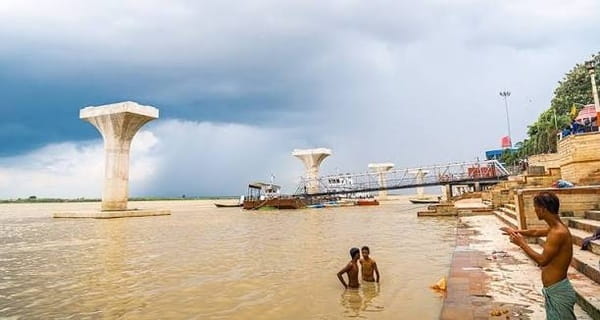
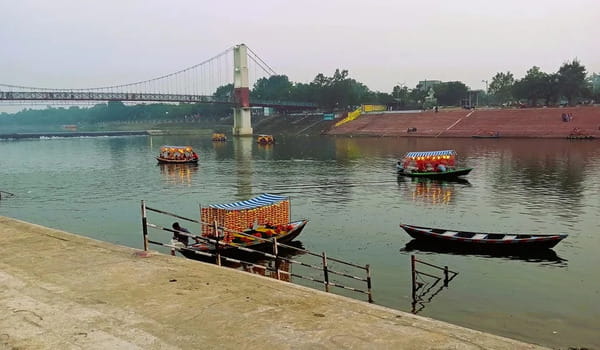
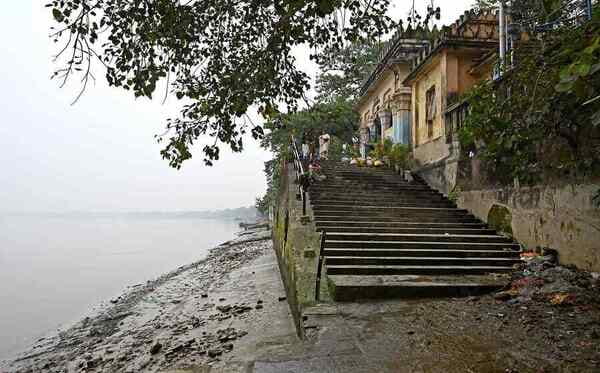
Gau Ghat (also known as Gaushala Ghat) is a sacred and peaceful riverfront ghat located on the banks of the holy Ganga River in Haridwar, Uttarakhand. It holds special religious significance as a place where devotees come to perform rituals to absolve the sin of killing a cow (Gau = Cow). The ghat is also known for being the site where the ashes of several prominent Indian leaders, including Mahatma Gandhi, Jawaharlal Nehru, and Indira Gandhi, were immersed. It offers a calm and less crowded alternative to the bustling Har Ki Pauri.

Location of Gau Ghat
Gau Ghat is situated on the southern side of Subhash Ghat, near Har Ki Pauri, along the western bank of the Ganga River. It features traditional steps leading to the river and a serene riverside setting. The ghat is surrounded by small temples and priest huts (pandits with ancient pothis), creating a deeply spiritual environment.
Directions and How to Reach Gau Ghat
From Haridwar Junction Railway Station:
Approximately 2.5–3.5 km. Easily reachable by auto-rickshaw, cycle-rickshaw, or cab in 10–15 minutes.
From Har Ki Pauri:
Just 1–1.5 km away — a pleasant 15–20 minute walk along the riverfront.
From Haridwar Bus Stand:
Around 4–5 km.
From Dehradun Airport (Jolly Grant):
Approximately 45–50 km. The journey takes 1–1.5 hours by taxi or cab.
The ghat is well-connected and easily accessible on foot from the main ghats area.
Timings at Gau Ghat
Gau Ghat is open 24 hours with no entry fee.
Best Visiting Hours:
- Early Morning (5:00 AM – 9:00 AM): Ideal for holy dips, peaceful rituals, and morning prayers.
- Evening (4:00 PM – 8:00 PM): Beautiful for sunset views and a calm riverside atmosphere.
Best Time to Visit:
October to March offers pleasant weather. It is especially significant during Shraddha rituals and major festivals.
Historical Significance and Atmosphere
Gau Ghat is traditionally visited by those seeking to atone for the sin of cow slaughter, considered one of the gravest sins in Hinduism. It also gained prominence as the immersion site for the ashes of Mahatma Gandhi and other national leaders.
The atmosphere here is quiet, reflective, and spiritually charged — devotees perform pind daan and other rituals, priests conduct ceremonies, and the gentle flow of the Ganga provides a soothing backdrop. It is significantly less crowded than Har Ki Pauri, making it perfect for peaceful contemplation.
Nearby Places to Visit
Gau Ghat’s prime riverside location makes it convenient to explore:
- Har Ki Pauri — Iconic ghat for grand Ganga Aarti (short walk).
- Subhash Ghat — Adjacent scenic ghat.
- Chandi Ghat — Beautifully developed ghat nearby.
- Mansa Devi Temple — Reachable by ropeway or trek.
- Bharat Mata Mandir — Dedicated to Mother India.
- Sapt Rishi Ashram — Historic ashram area.
A riverside walk from Har Ki Pauri to Gau Ghat and Chandi Ghat is highly recommended.
Frequently Asked Questions (FAQs)
Q: What are the best timings to visit Gau Ghat?
A: Early morning for rituals and evening for peaceful sunset views.
Q: Where is Gau Ghat located?
A: On the banks of the Ganga River near Har Ki Pauri in Haridwar, Uttarakhand.
Q: How to reach Gau Ghat from Haridwar Railway Station?
A: 2.5–3.5 km; 10–15 minutes by auto-rickshaw or a short walk from Har Ki Pauri.
Q: Is there an entry fee for Gau Ghat?
A: No entry fee. It is open to the public 24 hours.
Q: What are the best nearby places to Gau Ghat?
A: Har Ki Pauri, Chandi Ghat, Mansa Devi Temple, and Subhash Ghat.
Q: Why is it called Gau Ghat?
A: It is a place where people perform rituals to seek pardon for the sin of killing a cow.
Q: Is Gau Ghat suitable for families?
A: Yes, it is peaceful, safe, and ideal for families seeking a quieter spiritual experience.
Q: What should I carry when visiting?
A: Water, comfortable shoes, camera/phone for photography, and modest clothing. Carry offerings (flowers, diyas) if performing rituals.
Gau Ghat offers a perfect mix of deep spiritual importance, historical significance, and serene riverside beauty along the holy Ganga in Haridwar. Its calm ambiance and proximity to major attractions make it a must-visit ghat for pilgrims and travellers seeking peace and reflection in the City of Gods.