Cervical cancer is one of the most preventable forms of cancer, yet it continues to affect thousands of women in India every year. The good news is that most cases can be prevented through Human Papillomavirus (HPV) vaccination, regular cervical cancer screening, and healthy lifestyle practices. Early detection and timely treatment of precancerous changes can significantly reduce the risk of developing cervical cancer.
Many people have questions about who should receive the HPV vaccine, the recommended age for vaccination, and how much it costs in India. This guide explains everything you need to know about cervical cancer prevention, vaccine eligibility, and approximate vaccination costs in India.
What Is Cervical Cancer?
Cervical cancer develops in the cells of the cervix, which is the lower part of the uterus connecting to the vagina. Most cases are caused by persistent infection with high-risk types of Human Papillomavirus (HPV), a very common virus transmitted through intimate skin-to-skin or sexual contact.
While many HPV infections clear naturally, some persistent infections can lead to precancerous changes that may eventually develop into cervical cancer if left untreated.
What Causes Cervical Cancer?
Persistent infection with high-risk HPV types is the primary cause of cervical cancer.
Other factors that may increase the risk include:
- Smoking
- Weakened immune system
- Long-term HPV infection
- Not participating in regular cervical cancer screening
- Multiple risk factors related to sexual health
- Long-term use of certain medications in specific situations (as assessed by a doctor)
Having one or more risk factors does not mean a person will definitely develop cervical cancer.
Can Cervical Cancer Be Prevented?
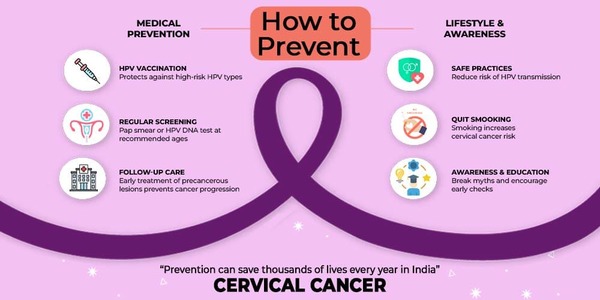
Yes. Cervical cancer is largely preventable through:
- HPV vaccination
- Regular cervical cancer screening
- Early treatment of precancerous changes
- Avoiding tobacco use
- Practicing safer sexual health
Combining vaccination with screening provides the best protection.
What Is the HPV Vaccine?
The HPV vaccine helps protect against several types of HPV responsible for most cervical cancers and, depending on the vaccine, certain other HPV-related diseases.
The vaccine works best when given before exposure to HPV, which is why it is primarily recommended during adolescence.
It cannot treat an existing HPV infection or cervical cancer, but it can help prevent future infections with covered HPV types.
Who Is Eligible for the HPV Vaccine?
Recommendations may vary depending on individual circumstances and national guidelines, but the vaccine is generally recommended for:
Girls Aged 9–14 Years
This is the preferred age group for routine HPV vaccination because the immune response is strong and vaccination is most effective before potential HPV exposure.
Many national and international health authorities recommend vaccination during this age range.
Adolescents and Young Adults
Individuals who were not vaccinated earlier may still benefit from catch-up vaccination, depending on their age and healthcare provider’s advice.
Adults
Some adults may also benefit from HPV vaccination after discussing their individual risk factors with a healthcare professional. The potential benefit generally decreases with increasing age and prior HPV exposure, so vaccination decisions should be individualized.
Who Should Not Receive the Vaccine?
Consult your doctor before vaccination if you:
- Have had a severe allergic reaction to a previous HPV vaccine dose or one of its components.
- Are currently experiencing a moderate or severe acute illness (vaccination may be postponed until recovery).
- Are pregnant. HPV vaccination is generally deferred during pregnancy, although no specific intervention is needed if a dose is inadvertently given. Vaccination can usually resume after pregnancy based on medical advice.
Always discuss your medical history with your healthcare provider before receiving any vaccine.
How Many Doses Are Required?
The number of doses depends on age and health status.
In general:
- Ages 9–14 years: One or two doses may be recommended depending on the vaccine used and current national guidelines.
- Older adolescents and adults: A three-dose schedule is commonly recommended.
Your healthcare provider will advise the appropriate schedule according to the latest recommendations.
HPV Vaccine Cost in India
The cost of HPV vaccination varies depending on:
- Vaccine brand
- Hospital or clinic
- City
- State
- Government vaccination programs
As of recent years, approximate private-sector prices are:
- Indian-manufactured HPV vaccine: Around ₹1,400–₹2,500 per dose.
- Imported HPV vaccines: Approximately ₹3,000–₹5,000 or more per dose, depending on the brand and healthcare facility.
Prices may change over time, and some government immunization programs may offer the vaccine at reduced cost or free for eligible groups. Check with your local healthcare provider or public health authorities for current availability and pricing.
Is the HPV Vaccine Safe?
Yes. HPV vaccines approved by regulatory authorities have undergone extensive clinical testing and ongoing safety monitoring.
Common side effects are usually mild and temporary, including:
- Pain at the injection site
- Redness or swelling
- Mild fever
- Headache
- Fatigue
Serious allergic reactions are rare but require immediate medical attention.
Why Cervical Cancer Screening Is Still Important
Even if you’ve received the HPV vaccine, regular cervical cancer screening remains important because the vaccine does not protect against every cancer-causing HPV type.
Your doctor may recommend screening methods such as:
- HPV testing
- Pap smear (cytology)
- Visual inspection methods in certain healthcare settings
Screening recommendations depend on your age, medical history, and national guidelines.
Additional Ways to Reduce Risk
Besides vaccination, you can lower your risk by:
- Avoiding tobacco use
- Attending regular gynecological check-ups
- Following recommended cervical cancer screening schedules
- Seeking medical evaluation for abnormal vaginal bleeding, persistent pelvic pain, or unusual vaginal discharge
- Maintaining a healthy lifestyle with a balanced diet and regular physical activity
Early detection greatly improves treatment outcomes.
Common Symptoms of Cervical Cancer
Early cervical cancer often causes no symptoms, which is why screening is so important.
As the disease progresses, symptoms may include:
- Abnormal vaginal bleeding
- Bleeding after sexual intercourse
- Bleeding after menopause
- Persistent pelvic pain
- Pain during intercourse
- Unusual vaginal discharge
These symptoms can also occur in many non-cancerous conditions. Consult a healthcare professional for proper evaluation.
Common Myths About the HPV Vaccine
Myth: The HPV vaccine causes infertility.
There is no scientific evidence that HPV vaccines cause infertility.
Myth: Only adults need the vaccine.
The vaccine is most effective when given before exposure to HPV, which is why it is routinely recommended during adolescence.
Myth: Vaccinated women no longer need screening.
False. Vaccinated individuals should still follow recommended cervical cancer screening guidelines.
Conclusion
Cervical cancer is one of the few cancers that can often be prevented through a combination of HPV vaccination, regular screening, and healthy lifestyle choices. Vaccination during the recommended age group provides the greatest protection, but many older adolescents and adults may also benefit after consulting their healthcare provider. Regular screening remains essential because it can detect precancerous changes before they develop into cancer.
If you or your child are eligible for the HPV vaccine, speak with your doctor about the appropriate vaccination schedule and current availability. Taking preventive steps today can significantly reduce the risk of cervical cancer and contribute to better long-term health.
FAQs
1. What is the best age to receive the HPV vaccine?
The HPV vaccine is routinely recommended for girls aged 9–14 years, before potential exposure to HPV. Catch-up vaccination may be appropriate for older individuals based on current recommendations and medical advice.
2. How much does the HPV vaccine cost in India?
The cost varies by vaccine brand and healthcare facility. Indian-manufactured vaccines generally cost around ₹1,400–₹2,500 per dose, while imported vaccines may cost ₹3,000–₹5,000 or more per dose. Prices may vary across locations.
3. Can adults receive the HPV vaccine?
Yes. Some adults may still benefit from vaccination after discussing their age, medical history, and risk factors with a healthcare professional.
4. Does the HPV vaccine completely prevent cervical cancer?
The vaccine provides strong protection against the HPV types responsible for most cervical cancers, but it does not prevent every case. Regular cervical cancer screening remains important.
5. Is the HPV vaccine safe?
Yes. HPV vaccines approved for use have been extensively studied and are considered safe. Most side effects are mild and temporary, such as soreness at the injection site, mild fever, or fatigue.