Fever is one of the most common reasons people visit a doctor, especially during the monsoon and post-monsoon seasons. While many fevers are caused by common viral infections that resolve on their own, others may be due to more serious illnesses such as dengue fever or typhoid fever, both of which require prompt medical evaluation and appropriate treatment.
Because these illnesses can share similar early symptoms—such as fever, headache, body aches, and weakness—it is often difficult to tell them apart without a proper medical assessment. Self-diagnosis can delay the correct treatment and increase the risk of complications.
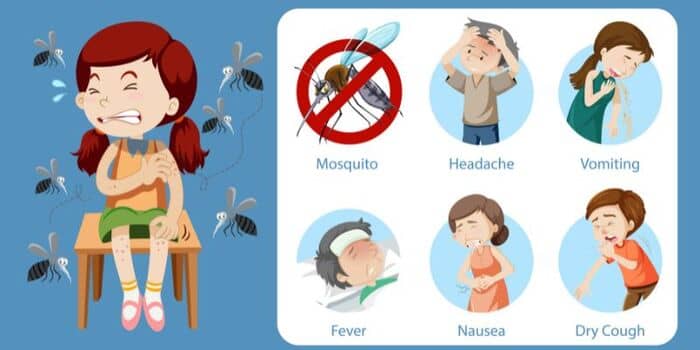
This guide explains the differences between dengue, typhoid, and regular viral fever, their common symptoms, diagnostic tests, and when you should seek medical care.
What Is a Regular Viral Fever?
A viral fever is caused by a virus and is usually associated with common respiratory or seasonal infections. Most viral fevers are mild and improve within a few days with rest, hydration, and supportive care.
Common Symptoms
- Mild to moderate fever
- Runny or blocked nose
- Sore throat
- Cough
- Body aches
- Headache
- Fatigue
- Occasionally mild diarrhea
Most uncomplicated viral fevers improve within 3 to 7 days, although recovery may vary depending on the virus involved.
What Is Dengue Fever?
Dengue is a mosquito-borne viral illness transmitted by infected Aedes mosquitoes. It is more common during and after the rainy season, when mosquito breeding increases.
Dengue symptoms often begin suddenly after an incubation period of several days.
Common Symptoms
- High fever (often 39°C to 40°C or higher)
- Severe headache
- Pain behind the eyes
- Intense muscle and joint pain
- Nausea or vomiting
- Skin rash (in some people)
- Extreme weakness
- Mild bleeding, such as nosebleeds or bleeding gums, in some cases
Some patients may develop severe dengue, a medical emergency that requires immediate hospital care.
What Is Typhoid Fever?
Typhoid fever is a bacterial infection caused by Salmonella Typhi. It spreads through contaminated food or water and remains a significant public health concern in areas with poor sanitation.
Unlike dengue, typhoid usually develops gradually.
Common Symptoms
- Persistent high fever that often rises gradually
- Headache
- Weakness
- Loss of appetite
- Abdominal pain
- Constipation or diarrhea
- Nausea
- Occasionally a faint rash known as “rose spots”
Without appropriate antibiotic treatment, typhoid can lead to serious complications.
Key Differences Between Dengue, Typhoid, and Viral Fever
| Feature | Viral Fever | Dengue | Typhoid |
|---|---|---|---|
| Cause | Viral infection | Dengue virus | Salmonella Typhi bacteria |
| Spread | Respiratory droplets or direct contact (depending on the virus) | Mosquito bite | Contaminated food or water |
| Fever Pattern | Usually improves within a few days | Sudden high fever | Gradually increasing and persistent fever |
| Body Pain | Mild to moderate | Often severe | Mild to moderate |
| Eye Pain | Uncommon | Common | Rare |
| Cough/Cold Symptoms | Often present | Usually absent | Usually absent |
| Abdominal Pain | Occasionally | Possible | Common |
| Platelet Count | Usually normal | May decrease | Usually not significantly reduced |
| Treatment | Supportive care | Supportive care with close monitoring | Antibiotics prescribed by a doctor |
These are general patterns, and symptoms may vary from person to person.
Can Symptoms Overlap?
Yes. In the early stages, all three illnesses may cause:
- Fever
- Headache
- Fatigue
- Body aches
- Weakness
This overlap is why laboratory testing is often necessary. Symptoms alone are usually insufficient to make a diagnosis.
How Doctors Diagnose These Conditions
Doctors evaluate:
- Medical history
- Recent travel
- Exposure to mosquitoes
- Food and water hygiene
- Physical examination
- Laboratory tests
Common investigations may include:
For Dengue
- NS1 antigen test (early infection)
- Dengue IgM/IgG antibody tests
- Complete Blood Count (CBC) to monitor platelet count and hematocrit
For Typhoid
- Blood culture (especially early in the illness)
- Other laboratory tests may be recommended depending on the stage of illness and local medical practice
For Viral Fever
There is often no single test for uncomplicated viral fever. Depending on symptoms and local disease patterns, your doctor may recommend tests to rule out infections such as dengue, typhoid, influenza, or COVID-19.
Warning Signs That Need Immediate Medical Attention
Seek urgent medical care if you experience:
- Difficulty breathing
- Persistent vomiting
- Severe abdominal pain
- Confusion or excessive drowsiness
- Bleeding from the gums or nose
- Blood in vomit or stools
- Very little urine output
- Severe dehydration
- Fainting or collapse
These symptoms may indicate serious complications and require prompt evaluation.
Treatment Differences
Viral Fever
Most viral fevers are treated with:
- Adequate rest
- Plenty of fluids
- Fever-reducing medication as recommended by a healthcare professional
Antibiotics are not effective against viral infections unless there is a confirmed bacterial infection.
Dengue
There is no specific antiviral treatment for dengue.
Management focuses on:
- Careful hydration
- Monitoring platelet count and hematocrit when indicated
- Monitoring for warning signs
- Hospitalization if severe dengue develops
Avoid taking medications such as ibuprofen or diclofenac unless advised by your doctor, as they may increase the risk of bleeding in dengue. Use only medicines recommended by a healthcare professional.
Typhoid
Typhoid requires:
- Appropriate antibiotics prescribed by a doctor
- Adequate hydration
- Nutritious diet
- Completion of the full antibiotic course
Never self-medicate with antibiotics.
Prevention Tips
Prevent Dengue
- Remove stagnant water around your home.
- Use mosquito repellents.
- Wear long-sleeved clothing.
- Install window screens where possible.
- Sleep under mosquito nets if needed.
Prevent Typhoid
- Drink safe, clean water.
- Wash hands with soap before eating.
- Eat freshly cooked food.
- Avoid food from unhygienic sources.
- Consider vaccination if recommended by your healthcare provider.
Prevent Viral Infections
- Wash hands regularly.
- Cover your mouth when coughing or sneezing.
- Avoid close contact with people who are ill.
- Maintain good personal hygiene.
Common Mistakes to Avoid
Avoid these common errors:
- Assuming every fever is “just viral.”
- Starting antibiotics without a doctor’s prescription.
- Ignoring persistent high fever.
- Taking painkillers without medical advice if dengue is suspected.
- Delaying medical consultation when warning signs appear.
Early diagnosis improves treatment outcomes.
Conclusion
Although dengue, typhoid, and regular viral fever share several early symptoms, they are caused by different organisms and require different approaches to diagnosis and treatment. Viral fevers are often self-limiting, dengue requires careful monitoring for complications, and typhoid usually needs antibiotic therapy. Because symptoms frequently overlap, laboratory testing and clinical evaluation are essential for an accurate diagnosis.
If you develop a persistent high fever, severe body pain, abdominal symptoms, bleeding, or signs of dehydration, seek medical attention promptly. Avoid self-diagnosis and self-medication, particularly with antibiotics or over-the-counter painkillers, as inappropriate treatment can delay recovery or increase the risk of complications.
FAQs
1. How can I tell whether my fever is dengue or a regular viral fever?
A. Dengue often causes a sudden high fever, severe muscle and joint pain, pain behind the eyes, and may lead to a low platelet count. However, symptoms overlap with many viral illnesses, so laboratory testing is needed to confirm the diagnosis.
2. Does typhoid always cause stomach problems?
A. Abdominal pain, constipation, diarrhea, and loss of appetite are common in typhoid, but not everyone experiences the same symptoms. A doctor may recommend blood tests or a blood culture to confirm the diagnosis.
3. Can dengue and typhoid occur at the same time?
A. Although uncommon, co-infections can occur. If symptoms are unusual or severe, doctors may order tests for multiple infections.
4. Should I take antibiotics for every fever?
A. No. Antibiotics are effective only against bacterial infections such as typhoid when prescribed appropriately. They do not treat viral infections like dengue or most common viral fevers.
5. When should I see a doctor for a fever?
A. Seek medical evaluation if your fever is very high, lasts more than two to three days, is accompanied by severe body pain, abdominal pain, bleeding, persistent vomiting, confusion, breathing difficulty, or signs of dehydration. Early assessment is especially important during dengue and typhoid seasons.