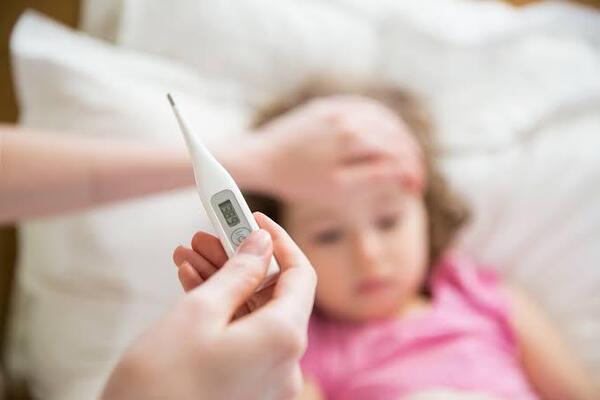
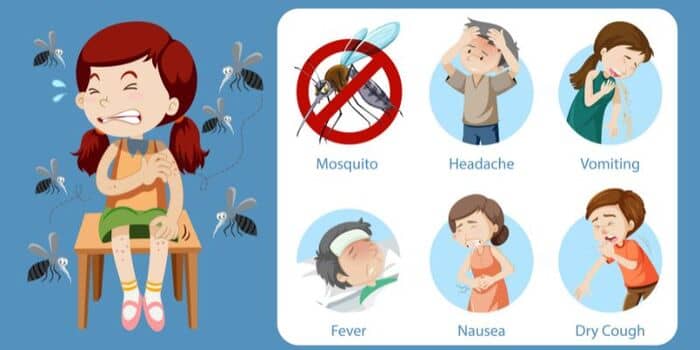
Hot summer temperatures can take a serious toll on the body, especially during heatwaves. Prolonged exposure to high temperatures, excessive sweating, and inadequate fluid intake can lead to dehydration and, in severe cases, heat stroke—a life-threatening medical emergency. Children, older adults, outdoor workers, athletes, and people with chronic medical conditions are particularly vulnerable.
Recognizing the early signs of heat-related illness and knowing how to respond can prevent serious complications. While mild dehydration can often be managed at home, heat stroke requires immediate emergency medical care.
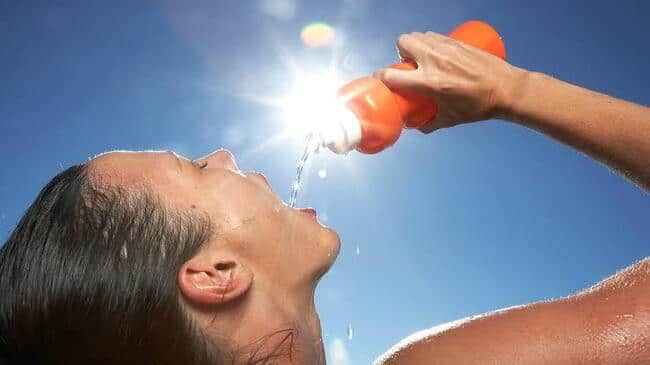
This guide explains the difference between dehydration and heat stroke, their symptoms, first-aid measures, and practical ways to stay safe during the summer.
What Is Dehydration?
Dehydration occurs when your body loses more fluids than it takes in. Sweating, vomiting, diarrhea, fever, or prolonged exposure to hot weather can all contribute to dehydration.
Water is essential for regulating body temperature, transporting nutrients, and supporting normal organ function. When fluid levels fall too low, the body cannot function efficiently.
Common Symptoms of Mild to Moderate Dehydration
- Increased thirst
- Dry mouth and lips
- Dark yellow urine
- Reduced urination
- Headache
- Dizziness
- Fatigue
- Dry skin
- Muscle cramps
If left untreated, dehydration can become severe and may require urgent medical treatment.
What Is Heat Stroke?
Heat stroke is the most serious form of heat-related illness. It occurs when the body’s temperature regulation system fails, causing the core body temperature to rise rapidly.
Heat stroke is a medical emergency and requires immediate treatment.
Common causes include:
- Prolonged exposure to high temperatures
- Intense physical activity in hot weather
- Inadequate hydration
- Wearing heavy or non-breathable clothing
- Poor ventilation
Without prompt treatment, heat stroke can damage the brain, heart, kidneys, and other organs.
Warning Signs of Heat Stroke
Symptoms may include:
- Body temperature of 40°C (104°F) or higher
- Hot, flushed skin
- Confusion or unusual behavior
- Slurred speech
- Severe headache
- Rapid heartbeat
- Rapid breathing
- Dizziness
- Nausea or vomiting
- Loss of consciousness
- Seizures in some cases
Some people continue sweating, while others may have hot, dry skin depending on the cause of heat stroke.
Heat Exhaustion vs Heat Stroke
Heat exhaustion is less severe but can progress to heat stroke if not treated promptly.
| Heat Exhaustion | Heat Stroke |
|---|---|
| Heavy sweating | Body temperature typically 40°C (104°F) or higher |
| Weakness | Confusion or altered mental state |
| Dizziness | Loss of consciousness may occur |
| Muscle cramps | Possible seizures |
| Cool, moist skin | Hot skin (may be dry or sweaty) |
| Usually improves with cooling and fluids | Requires emergency medical care |
If there is any doubt, treat the situation as a medical emergency and seek immediate help.
First Aid for Severe Dehydration
If the person is awake, alert, and able to drink safely:
- Move them to a cool, shaded, or air-conditioned place.
- Encourage small, frequent sips of water.
- Oral Rehydration Solution (ORS) may be helpful, especially if dehydration is associated with vomiting or diarrhea.
- Loosen or remove excess clothing.
- Allow the person to rest.
Do not force fluids if the person is confused, unconscious, or unable to swallow safely.
First Aid for Heat Stroke
Heat stroke requires immediate emergency medical attention.
Step 1: Call Emergency Medical Services
Call your local emergency number immediately.
Do not delay seeking medical help while attempting home treatment.
Step 2: Move the Person to a Cooler Environment
Take the person to:
- An air-conditioned room
- A shaded area
- A cool indoor location
Reducing heat exposure is the first priority.
Step 3: Begin Cooling the Body
While waiting for medical help:
- Remove unnecessary clothing.
- Apply cool, wet cloths to the skin.
- Place ice packs wrapped in cloth on the neck, armpits, and groin if available.
- Fan the person to increase evaporative cooling.
The goal is to reduce body temperature as quickly and safely as possible.
Step 4: Monitor Breathing and Responsiveness
Stay with the person until medical help arrives.
If they become unconscious and stop breathing normally, begin CPR if you are trained to do so and follow the instructions of emergency responders.
Step 5: Do Not Force Fluids
Never force water or other drinks into someone who is unconscious, confused, or unable to swallow, as this increases the risk of choking.
Who Is at Higher Risk?
Certain groups are more vulnerable to heat-related illness:
- Infants and young children
- Adults over 65 years of age
- Outdoor workers
- Athletes
- Pregnant women
- People with heart disease or kidney disease
- Individuals taking certain medications, such as some diuretics
Extra precautions should be taken during heatwaves.
How to Prevent Heat Stroke and Dehydration
Drink Fluids Regularly
Drink water throughout the day, even if you don’t feel thirsty.
People exercising or working outdoors may need additional fluids. Follow your healthcare provider’s advice if you have a medical condition that requires fluid restriction.
Avoid Peak Heat Hours
When possible, limit outdoor activities between 10:00 AM and 4:00 PM, when temperatures are often highest.
Wear Lightweight Clothing
Choose:
- Light-colored clothing
- Loose-fitting garments
- Breathable fabrics
These help the body cool more effectively.
Stay Indoors During Heatwaves
Whenever possible:
- Use fans or air conditioning.
- Close curtains during the hottest part of the day.
- Spend time in cool public places if your home is very hot.
Eat Water-Rich Foods
Foods such as:
- Watermelon
- Cucumber
- Oranges
- Tomatoes
- Lettuce
can contribute to daily fluid intake.
Common Mistakes to Avoid
Avoid these common errors:
- Ignoring early symptoms of dehydration.
- Waiting too long before seeking medical care.
- Continuing strenuous activity despite dizziness or weakness.
- Leaving children or pets inside parked vehicles.
- Consuming excessive alcohol in hot weather, as it can contribute to dehydration.
- Assuming sports drinks are always better than water for routine hydration.
Early action can prevent heat exhaustion from progressing to heat stroke.
When Should You See a Doctor?
Seek immediate medical care if:
- You suspect heat stroke.
- The person becomes confused or unconscious.
- Vomiting prevents fluid intake.
- Signs of severe dehydration develop.
- Symptoms do not improve after cooling and hydration.
- An infant, older adult, or someone with a chronic illness develops significant heat-related symptoms.
Prompt treatment greatly reduces the risk of serious complications.
Conclusion
Heat stroke and severe dehydration are serious health conditions that become more common during hot summer months and heatwaves. While dehydration often responds to rest, cooling, and adequate fluid replacement, heat stroke is a medical emergency that requires immediate professional care. Recognizing the warning signs—such as confusion, very high body temperature, loss of consciousness, or severe weakness—and acting quickly can save lives.
Staying well hydrated, avoiding prolonged exposure to extreme heat, wearing appropriate clothing, and taking regular breaks during outdoor activities are simple yet effective ways to reduce your risk. If you or someone around you develops symptoms of heat stroke, call emergency medical services immediately and begin cooling the person while waiting for help.
FAQs
1. What is the difference between dehydration and heat stroke?
A. Dehydration occurs when the body loses more fluids than it replaces, while heat stroke is a life-threatening condition in which the body’s temperature regulation fails, causing a dangerously high core body temperature.
2. Can drinking water prevent heat stroke?
A. Adequate hydration is an important preventive measure, but it may not be enough on its own. Avoiding excessive heat exposure, wearing suitable clothing, taking breaks, and staying in cool environments are also essential.
3. What should I do if someone has heat stroke?
A. Call emergency medical services immediately, move the person to a cool place, begin cooling their body with cool wet cloths or ice packs wrapped in cloth, and monitor them until medical help arrives. Do not force fluids if they are unconscious or unable to swallow safely.
4. Who is most at risk of heat stroke?
A. Older adults, infants, young children, outdoor workers, athletes, pregnant women, and people with chronic medical conditions are at increased risk of heat-related illnesses.
5. How can I tell if dehydration is becoming severe?
A. Warning signs include extreme thirst, very little urine, confusion, rapid heartbeat, dizziness, inability to keep fluids down, fainting, or loss of consciousness. Severe dehydration requires urgent medical evaluation.