A Complete Blood Count (CBC) is one of the most commonly prescribed blood tests. Doctors use it to evaluate your overall health, detect infections, identify anemia, monitor chronic diseases, and assess how your body is responding to certain treatments. Although a CBC report contains several medical terms and numbers, understanding the basics can help you better discuss your results with your healthcare provider.
It’s important to remember that a CBC report alone cannot diagnose a medical condition. Test results should always be interpreted alongside your symptoms, medical history, physical examination, and, if necessary, additional tests.
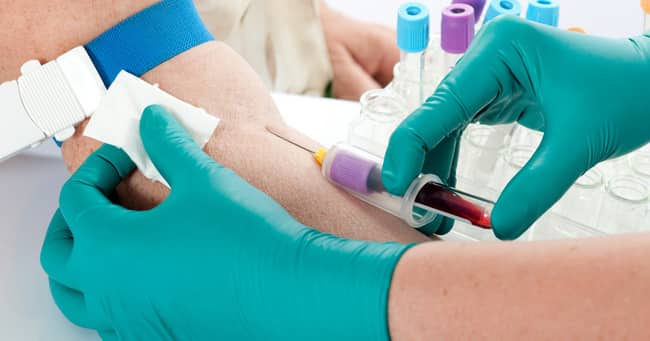
This guide explains the key components of a CBC test report, what they measure, and what high or low values may indicate.
What Is a CBC Test?
A Complete Blood Count measures the different types of cells circulating in your blood. It provides information about:
- Red blood cells (RBCs)
- White blood cells (WBCs)
- Hemoglobin (Hb)
- Hematocrit (Hct)
- Platelets
- Red blood cell indices
- White blood cell differential (in many CBC reports)
Doctors often recommend a CBC during routine health check-ups or when evaluating symptoms such as fatigue, fever, weakness, bruising, or signs of infection.
Red Blood Cell (RBC) Count
Red blood cells carry oxygen from your lungs to the rest of your body.
High RBC Count
An elevated RBC count may be associated with:
- Dehydration
- Living at high altitude
- Smoking
- Certain lung or heart conditions
- Some bone marrow disorders
Low RBC Count
A low RBC count may occur with:
- Anemia
- Blood loss
- Nutritional deficiencies
- Chronic kidney disease
- Certain chronic illnesses
A low RBC count often requires further evaluation to identify the underlying cause.
Hemoglobin (Hb)
Hemoglobin is the oxygen-carrying protein inside red blood cells.
Low Hemoglobin
Low hemoglobin levels may be seen in:
- Iron deficiency anemia
- Vitamin B12 deficiency
- Folate deficiency
- Chronic diseases
- Blood loss
Common symptoms include fatigue, weakness, shortness of breath, and dizziness.
High Hemoglobin
Higher-than-normal hemoglobin levels may occur with:
- Dehydration
- Smoking
- Chronic lung disease
- High-altitude living
- Certain bone marrow conditions
Hematocrit (Hct)
Hematocrit measures the percentage of your blood volume made up of red blood cells.
Low Hematocrit
Low values may suggest:
- Anemia
- Blood loss
- Overhydration
High Hematocrit
Higher values may occur due to:
- Dehydration
- Smoking
- Chronic lung disease
- Certain blood disorders
Hematocrit is usually interpreted together with RBC count and hemoglobin.
White Blood Cell (WBC) Count
White blood cells help protect your body from infections and play an important role in the immune system.
High WBC Count
An elevated WBC count may be associated with:
- Bacterial infections
- Inflammation
- Physical stress
- Certain medications
- Some blood disorders
Low WBC Count
Lower-than-normal WBC counts may occur due to:
- Viral infections
- Certain medications
- Bone marrow disorders
- Autoimmune diseases
A low WBC count may increase the risk of infections.
Platelet Count
Platelets help your blood clot after an injury.
Low Platelet Count
Low platelet levels may increase the risk of bleeding and bruising.
Possible causes include:
- Viral infections
- Autoimmune conditions
- Certain medications
- Bone marrow disorders
High Platelet Count
An elevated platelet count may occur with:
- Inflammation
- Iron deficiency
- Recovery after blood loss
- Certain bone marrow disorders
Further evaluation may be necessary depending on the clinical situation.
Mean Corpuscular Volume (MCV)
MCV measures the average size of your red blood cells.
Low MCV
Smaller-than-normal red blood cells may suggest:
- Iron deficiency anemia
- Thalassemia
High MCV
Larger-than-normal red blood cells may be associated with:
- Vitamin B12 deficiency
- Folate deficiency
- Liver disease
- Certain medications
MCV helps doctors classify different types of anemia.
Mean Corpuscular Hemoglobin (MCH)
MCH measures the average amount of hemoglobin inside each red blood cell.
Abnormal MCH values often accompany changes in MCV and help classify anemia.
Mean Corpuscular Hemoglobin Concentration (MCHC)
MCHC measures the average concentration of hemoglobin inside red blood cells.
Changes in MCHC can provide additional information when evaluating anemia.
Red Cell Distribution Width (RDW)
RDW measures how much variation exists in the size of your red blood cells.
Higher RDW values may be seen in certain nutritional deficiencies, mixed types of anemia, and other conditions affecting red blood cell production.
Doctors usually interpret RDW together with MCV.
White Blood Cell Differential
Many CBC reports also include a differential count that measures different types of white blood cells.
These include:
- Neutrophils
- Lymphocytes
- Monocytes
- Eosinophils
- Basophils
Each type has a specific role in the immune system.
For example:
- Neutrophils often increase during bacterial infections.
- Lymphocytes may increase in some viral infections.
- Eosinophils can rise in allergic conditions and certain parasitic infections.
These findings must always be interpreted in the context of your symptoms and other test results.
Why Reference Ranges Matter
CBC reports include reference ranges for each measurement.
These ranges:
- May vary slightly between laboratories.
- Can differ based on age and sex.
- Are not the only factor doctors consider.
A value slightly outside the reference range does not necessarily indicate disease.
Similarly, results within the normal range do not always rule out illness if symptoms are present.
Factors That Can Affect CBC Results
Several factors may influence CBC values, including:
- Age
- Sex
- Pregnancy
- Recent illness
- Hydration status
- Medications
- Smoking
- High-altitude residence
Your healthcare provider considers these factors when interpreting the report.
When Should You See a Doctor?
You should consult a healthcare professional if:
- Your CBC report contains abnormal values.
- You experience persistent fatigue.
- You have unexplained bruising or bleeding.
- You develop frequent infections.
- You experience prolonged fever.
- You have unexplained weight loss or weakness.
Never interpret a CBC report in isolation or begin treatment without medical advice.
Common Mistakes to Avoid
Many people misunderstand CBC reports.
Avoid these common mistakes:
- Self-diagnosing based on one abnormal value.
- Comparing your results with someone else’s.
- Ignoring symptoms because values appear “normal.”
- Starting supplements without medical advice.
- Assuming one CBC test provides a complete diagnosis.
CBC results are only one part of the diagnostic process.
Conclusion
A Complete Blood Count is a valuable screening tool that provides important information about your red blood cells, white blood cells, platelets, and overall blood health. Understanding the meaning of common CBC parameters can help you have more informed discussions with your healthcare provider, but the numbers should always be interpreted in the context of your symptoms, medical history, and other investigations.
If your CBC report shows abnormal values, don’t panic. Many changes are temporary or have treatable causes. The best approach is to consult your doctor, who can determine whether additional tests or treatment are necessary based on your overall clinical picture.
FAQs
1. What is a CBC blood test used for?
A. A CBC is used to evaluate overall health and to help detect conditions such as anemia, infections, inflammation, certain blood disorders, and some chronic illnesses. It is also commonly used during routine health check-ups.
2. Can a CBC detect all diseases?
A. No. A CBC provides important information about blood cells, but it cannot diagnose every medical condition. Additional tests may be needed depending on your symptoms and clinical findings.
3. Is fasting required before a CBC test?
A. In many cases, fasting is not required for a CBC. However, if your doctor has ordered additional blood tests at the same time, such as blood sugar or lipid profile, fasting instructions may differ. Always follow the instructions provided by your healthcare provider or laboratory.
4. What does a high white blood cell count mean?
A. A high white blood cell count may be associated with infections, inflammation, physical stress, certain medications, or some blood disorders. The exact cause depends on your symptoms and other laboratory findings.
5. Should I worry if one CBC value is slightly abnormal?
A. Not necessarily. A mildly abnormal result does not always indicate a serious medical problem. Laboratory reference ranges vary, and results should always be interpreted by a healthcare professional in the context of your overall health and medical history.