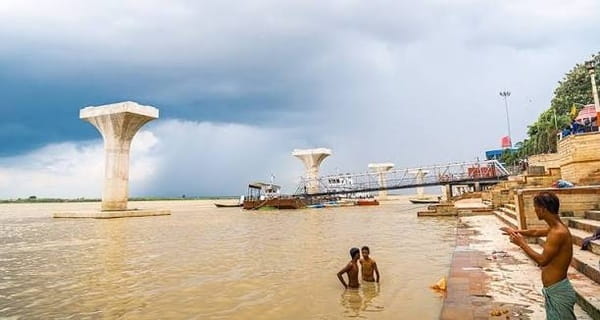
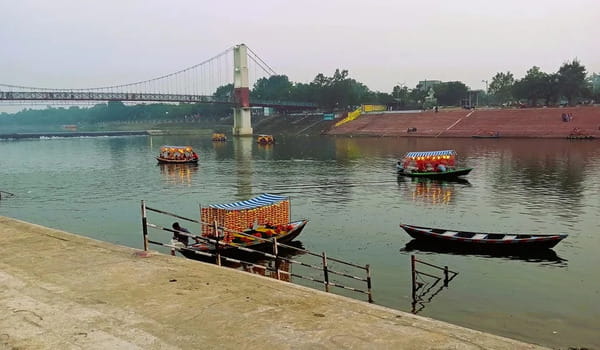
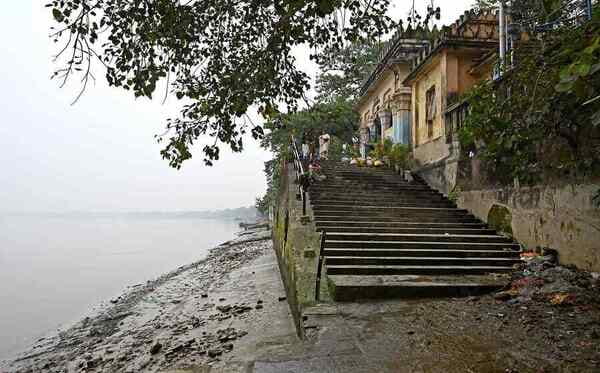
Chet Singh Ghat is a historic and architecturally beautiful ghat located on the western bank of the Ganges River in Varanasi. It is named after Raja Chet Singh, the Maharaja of Banaras, who bravely resisted the British East India Company in 1781. The ghat is known for its grand palace-like buildings, peaceful ambiance, and scenic riverside views.
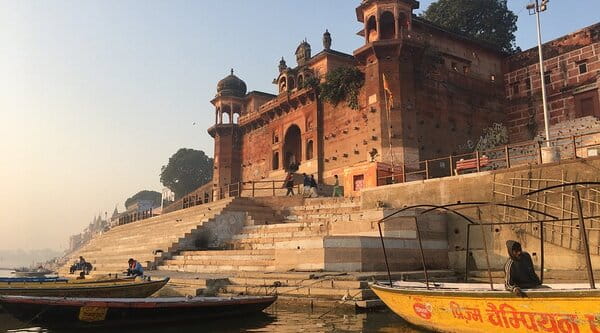
Location of Chet Singh Ghat
Chet Singh Ghat lies in the southern-central stretch of Varanasi’s ghats, between Shivala Ghat and Tulsi Ghat. It faces eastward toward the Ganges and is distinguished by its impressive 18th-century architecture, including old palaces and pavilions built by the royal family of Banaras. The ghat has wide stone steps and a relatively open area compared to many other ghats.
Directions and How to Reach Chet Singh Ghat
From Varanasi Junction Railway Station (BSB):
Approximately 6–7 km. It takes 15–25 minutes by auto-rickshaw, e-rickshaw, or taxi.
From Lal Bahadur Shastri International Airport:
Around 26–30 km. Taxis take 50–70 minutes.
From Assi Ghat:
About 1–1.5 km north. A pleasant short walk along the riverfront.
From Dashashwamedh Ghat:
Approximately 3 km south.
The ghat is approachable through narrow old-city lanes. Ask locals for “Chet Singh Ghat” or “near Shivala Ghat.”
Timings at Chet Singh Ghat
Chet Singh Ghat remains open 24 hours with no entry fee.
Holy Bathing (Snan):
Early morning from 5:00 AM to 8:30 AM is considered auspicious.
Evening Aarti:
A peaceful Ganga Aarti is occasionally performed around 6:30 PM – 7:30 PM. It is intimate and less crowded than the main aarti at Dashashwamedh Ghat.
Best Time to Visit:
October to March for comfortable weather. Early mornings and evenings are ideal.
Historical & Spiritual Significance and Atmosphere
Chet Singh Ghat is historically significant as the site where Raja Chet Singh was attacked by British forces under Warren Hastings in 1781. The king escaped by jumping into the Ganges with his horse.
Spiritually, the ghat is used for daily bathing, rituals, and Shraddha ceremonies. The grand old palaces overlooking the river give it a royal and majestic feel.
The atmosphere is calm, dignified, and scenic. It is less commercial and crowded, making it perfect for quiet walks, photography, and enjoying the beauty of the Ganges.
Nearby Places to Visit
- Shivala Ghat — Beautiful nearby ghat.
- Tulsi Ghat — Associated with Goswami Tulsidas (short distance).
- Assi Ghat — Southern end of the ghats.
- Durga Temple — Famous temple dedicated to Goddess Durga.
- Lolark Kund — Ancient Sun God temple.
A morning walk from Assi Ghat to Chet Singh Ghat along the river is very pleasant.
Frequently Asked Questions (FAQs)
Q: Why is Chet Singh Ghat famous?
A: It is historically significant as the site associated with Raja Chet Singh’s resistance against the British in 1781.
Q: Where is Chet Singh Ghat located?
A: On the western bank of the Ganges between Shivala Ghat and Tulsi Ghat in Varanasi.
Q: How to reach Chet Singh Ghat from Varanasi Railway Station?
A: 6–7 km; 15–25 minutes by auto or taxi.
Q: Is there an entry fee for Chet Singh Ghat?
A: No entry fee.
Q: What are the best nearby places to Chet Singh Ghat?
A: Shivala Ghat, Tulsi Ghat, Assi Ghat, and Durga Temple.
Q: Can I take a boat ride from Chet Singh Ghat?
A: Yes, boats are available for sunrise and sunset rides.
Q: Is Chet Singh Ghat suitable for families?
A: Yes, it is relatively calm, clean, and family-friendly.
Q: What should I carry when visiting?
A: Water, modest clothing, camera for photography, and sunscreen.
Chet Singh Ghat offers a wonderful combination of history, architecture, and riverside serenity. Its royal heritage, peaceful environment, and scenic location make it a refreshing and meaningful addition to any visit to the ghats of Varanasi.