The rise of e-commerce and digital marketplaces has transformed the way retailers do business. Today, small retailers no longer need to rely solely on physical stores to reach customers. One emerging business model gaining popularity is the online cluster retail business, where multiple retailers, manufacturers, or local businesses come together to sell products through a shared digital platform.
By operating as a retail cluster, businesses can reduce costs, improve visibility, negotiate better supplier prices, and reach a much larger customer base. Whether you’re selling fashion, electronics, handicrafts, groceries, furniture, or local specialty products, an online cluster retail model can help improve profitability while creating opportunities for sustainable business growth.
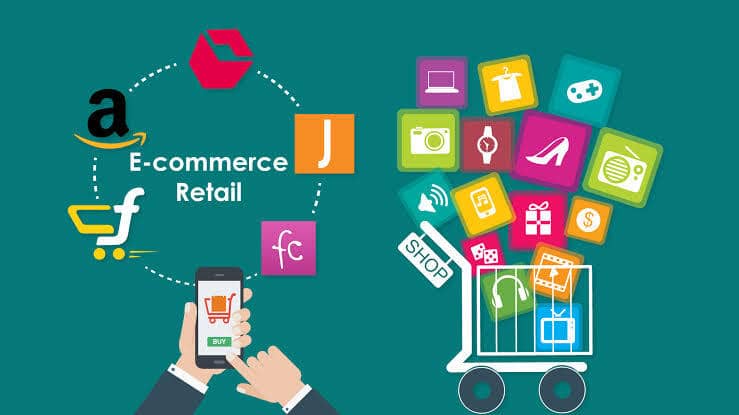
This article explains how to set up a profitable cluster retail business online and the key strategies for long-term success.
What Is a Cluster Retail Business?
A cluster retail business is a collaborative business model where multiple independent sellers or businesses operate together under a common marketplace or digital platform.
Instead of each retailer building separate infrastructure, the cluster shares resources such as:
- Online marketplace
- Marketing
- Logistics
- Payment systems
- Customer support
- Technology infrastructure
Customers benefit from a wider product selection, while retailers reduce operational costs through collaboration.
Benefits of an Online Cluster Retail Business
Launching an online retail cluster offers several advantages.
Lower Business Costs
Sharing resources reduces expenses related to:
- Website development
- Marketing
- Warehousing
- Technology
- Customer service
Lower overhead costs improve profit margins for participating businesses.
Wider Product Selection
A cluster marketplace can offer products from multiple sellers, giving customers more choices without increasing inventory for individual retailers.
This variety often leads to higher customer engagement and repeat purchases.
Stronger Brand Visibility
A collective marketplace typically attracts more traffic than an individual small retailer.
Joint marketing efforts help improve:
- Search engine rankings
- Social media visibility
- Customer trust
- Brand recognition
Better Supplier Negotiation
Bulk purchasing enables retailers to negotiate:
- Lower wholesale prices
- Better payment terms
- Reduced shipping costs
- Exclusive product deals
These savings contribute directly to higher profitability.
Step 1: Choose Your Product Niche
Successful cluster marketplaces usually focus on a specific industry or product category.
Popular options include:
- Fashion and apparel
- Handicrafts
- Home décor
- Organic foods
- Electronics accessories
- Furniture
- Books
- Beauty products
- Pet supplies
Choosing a niche helps build a targeted customer base and improves marketing effectiveness.
Step 2: Identify Reliable Sellers
The quality of participating retailers directly affects your marketplace’s reputation.
Select sellers based on:
- Product quality
- Pricing
- Delivery performance
- Customer service
- Business reliability
Establish clear seller guidelines before onboarding.
Step 3: Build an E-Commerce Platform
Your marketplace should provide a smooth shopping experience.
Important features include:
- Mobile-friendly design
- Secure payment gateway
- Product search
- Seller dashboards
- Inventory management
- Order tracking
- Customer reviews
- Easy checkout process
A fast and user-friendly website improves conversion rates.
Step 4: Develop a Strong Brand
Even though multiple sellers operate on the platform, the marketplace itself should have a recognizable brand identity.
Focus on:
- Professional logo
- Consistent color scheme
- Clear messaging
- Trustworthy customer experience
- High-quality product presentation
A strong marketplace brand encourages customer loyalty.
Step 5: Organize Logistics
Reliable delivery plays a major role in customer satisfaction.
Choose logistics partners that offer:
- Nationwide coverage
- Shipment tracking
- Fast delivery
- Easy returns
- Competitive shipping rates
Businesses may also use multiple courier partners to improve flexibility.
Step 6: Implement Digital Marketing
Marketing is essential for attracting customers.
Use multiple digital channels such as:
Search Engine Optimization (SEO)
Optimize:
- Product pages
- Category pages
- Blog articles
- Product descriptions
SEO generates long-term organic traffic.
Social Media Marketing
Promote products through platforms like:
- YouTube
- LinkedIn (for B2B products)
Engaging content builds customer trust.
Email Marketing
Send newsletters featuring:
- New arrivals
- Special offers
- Festival sales
- Personalized recommendations
Email marketing encourages repeat purchases.
Paid Advertising
Use targeted advertising to increase visibility during:
- Product launches
- Seasonal campaigns
- Clearance sales
- Festival promotions
Monitor return on ad spend (ROAS) to maximize profitability.
Step 7: Offer Excellent Customer Support
Customer service significantly influences online success.
Provide:
- Live chat
- Email support
- Quick issue resolution
- Clear return policies
- Transparent communication
Satisfied customers are more likely to recommend your marketplace.
Pricing Strategies for Higher Profitability
Successful online marketplaces balance competitive pricing with sustainable profit margins.
Consider:
- Dynamic pricing
- Bundle offers
- Volume discounts
- Seasonal promotions
- Loyalty rewards
Avoid competing only on low prices; instead, focus on value and customer experience.
Use Technology to Improve Efficiency
Modern retail businesses benefit from automation.
Useful tools include:
- Inventory management software
- Customer Relationship Management (CRM)
- Marketing automation
- Analytics dashboards
- Accounting software
- Warehouse management systems
Technology reduces manual work and improves decision-making.
Common Challenges
Online retail clusters may face challenges such as:
- Maintaining consistent product quality
- Coordinating multiple sellers
- Managing returns
- Handling customer complaints
- Controlling delivery timelines
Establishing standard operating procedures (SOPs) helps maintain service quality across all sellers.
Common Mistakes to Avoid
Many online marketplaces struggle because they:
- Onboard unreliable sellers.
- Ignore customer reviews.
- Maintain inconsistent product information.
- Use poor-quality product images.
- Offer slow customer support.
- Neglect SEO and digital marketing.
- Fail to monitor seller performance.
Regular performance reviews help maintain marketplace quality.
Tips for Long-Term Success
To build a profitable cluster retail business:
- Focus on customer satisfaction.
- Maintain high-quality product standards.
- Continuously onboard reliable sellers.
- Invest in branding.
- Monitor sales analytics.
- Improve website performance.
- Expand product categories strategically.
- Build long-term supplier relationships.
Sustainable growth comes from consistently delivering value to both customers and sellers.
Conclusion
An online cluster retail business provides an excellent opportunity for retailers, manufacturers, and entrepreneurs to collaborate, reduce operational costs, and reach a larger customer base. By sharing technology, logistics, and marketing resources, businesses can improve efficiency while increasing profitability.
Success depends on selecting reliable sellers, building a strong digital platform, investing in effective marketing, maintaining excellent customer service, and continuously optimizing operations. Entrepreneurs who focus on quality, technology, and customer satisfaction can build a scalable marketplace capable of competing in today’s rapidly growing e-commerce industry.
FAQs
1. What is an online cluster retail business?
A. An online cluster retail business is a shared e-commerce platform where multiple independent sellers offer products under a common marketplace, allowing them to share technology, marketing, logistics, and operational resources.
2. What are the benefits of a cluster retail model?
A. Key benefits include lower operating costs, wider product selection, stronger online visibility, improved supplier negotiation, shared marketing expenses, and increased customer reach.
3. How can I make a cluster retail business profitable?
A. Focus on selecting quality sellers, optimizing your website for SEO, offering competitive pricing, investing in digital marketing, improving customer service, and using automation to streamline operations.
4. Which products are best suited for a cluster marketplace?
A. Popular categories include fashion, handicrafts, home décor, beauty products, electronics accessories, furniture, groceries, books, organic products, and local specialty goods.
5. What is the biggest challenge in running an online cluster retail business?
A. One of the biggest challenges is maintaining consistent quality and service across multiple sellers. Clear seller policies, regular performance monitoring, and strong customer support are essential for long-term success.