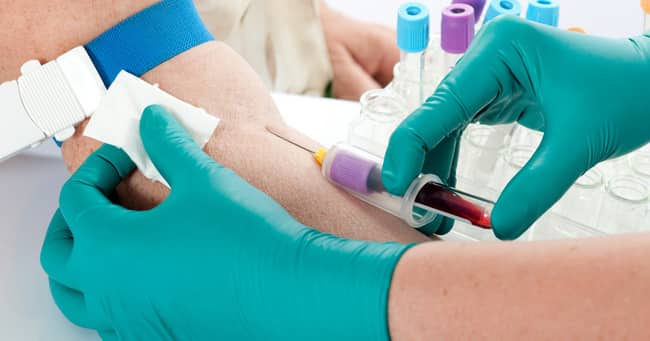
Creatinine is a waste product produced naturally by your muscles during everyday activities. Healthy kidneys filter creatinine from the blood and remove it through urine. When kidney function is impaired, creatinine can build up in the bloodstream, leading to higher-than-normal blood creatinine levels.
A high creatinine result on a blood test does not automatically mean you have kidney disease. Temporary factors such as dehydration, certain medications, or intense exercise can also affect creatinine levels. However, persistently elevated creatinine levels should always be evaluated by a healthcare professional to determine the underlying cause.

This article explains what creatinine is, common reasons for high creatinine levels, how kidney function is assessed, and practical steps to support kidney health.
What Is Creatinine?
Creatinine is a waste product formed when muscles use creatine for energy. Because muscle activity occurs continuously, your body produces creatinine every day.
Healthy kidneys filter creatinine from the blood into the urine. For this reason, measuring blood creatinine is one of the most common ways to evaluate kidney function.
Doctors often interpret creatinine together with the estimated Glomerular Filtration Rate (eGFR) and urine tests to assess how well the kidneys are working.
What Causes High Creatinine Levels?
Several conditions and factors can increase blood creatinine levels.
1. Chronic Kidney Disease (CKD)
One of the most common causes of persistently high creatinine is chronic kidney disease.
In CKD, the kidneys gradually lose their ability to filter waste products effectively, causing creatinine to accumulate in the bloodstream.
Early CKD may not cause noticeable symptoms, making regular health check-ups important for people at higher risk.
2. Dehydration
When your body doesn’t have enough fluids, blood flow to the kidneys may decrease temporarily.
This can lead to a temporary rise in creatinine levels.
Rehydration often helps restore kidney function if dehydration is the primary cause.
3. Certain Medications
Some medications may increase creatinine levels or affect kidney function.
Examples include:
- Certain antibiotics
- Some pain-relieving medications, particularly long-term or excessive use of nonsteroidal anti-inflammatory drugs (NSAIDs)
- Certain blood pressure medications
- Some chemotherapy drugs
Never stop prescribed medications without consulting your doctor.
4. Diabetes
Poorly controlled diabetes is one of the leading causes of chronic kidney disease.
High blood sugar over time can damage the tiny filtering units inside the kidneys, reducing their ability to remove waste products.
Maintaining good blood sugar control is important for protecting kidney health.
5. High Blood Pressure
Uncontrolled high blood pressure can damage blood vessels throughout the body, including those in the kidneys.
Over time, this damage may reduce kidney function and contribute to rising creatinine levels.
Managing blood pressure is an essential part of kidney disease prevention.
6. Urinary Tract Obstruction
Conditions that block the flow of urine may increase creatinine levels.
Examples include:
- Kidney stones
- Enlarged prostate
- Certain tumors
- Structural abnormalities of the urinary tract
Prompt treatment can help prevent further kidney damage.
7. Severe Infections
Serious infections affecting the kidneys or causing widespread illness can temporarily reduce kidney function.
Medical evaluation is necessary if kidney injury is suspected during an infection.
8. Intense Exercise
Very strenuous physical activity may temporarily increase creatinine levels because muscle metabolism increases.
This is usually temporary and should be interpreted alongside other clinical findings.
Symptoms of Kidney Problems
Early kidney disease often causes no symptoms.
As kidney function declines, symptoms may include:
- Fatigue
- Swelling in the feet or ankles
- Decreased urine output
- Foamy urine
- Loss of appetite
- Nausea
- High blood pressure
- Difficulty concentrating
These symptoms can also occur in other medical conditions, so professional evaluation is important.
How Doctors Evaluate Kidney Function
Creatinine is only one part of the assessment.
Doctors may also recommend:
- Estimated Glomerular Filtration Rate (eGFR)
- Urine albumin or protein tests
- Blood urea nitrogen (BUN)
- Kidney ultrasound
- Blood pressure measurement
- Blood sugar testing
Together, these tests provide a more complete picture of kidney health.
How to Protect Your Kidneys
Stay Hydrated
Drinking adequate fluids helps maintain normal kidney function for most people.
Fluid needs vary depending on your health, activity level, climate, and medical conditions.
If you have kidney disease or heart failure, follow your doctor’s recommendations regarding fluid intake.
Control Blood Pressure
High blood pressure is a major risk factor for kidney damage.
Maintain healthy blood pressure by:
- Taking prescribed medications if needed.
- Limiting excess salt intake.
- Exercising regularly.
- Maintaining a healthy weight.
Manage Diabetes
If you have diabetes:
- Monitor blood sugar regularly.
- Follow your treatment plan.
- Attend routine medical check-ups.
Good blood sugar control helps reduce the risk of kidney complications.
Eat a Balanced Diet
A kidney-friendly diet generally emphasizes:
- Fruits
- Vegetables
- Whole grains
- Lean protein
- Healthy fats
People with established kidney disease may require individualized dietary advice regarding protein, potassium, phosphorus, or sodium. Always follow recommendations from your healthcare provider or a registered dietitian.
Avoid Smoking
Smoking damages blood vessels and reduces blood flow to the kidneys.
Quitting smoking benefits both kidney health and overall cardiovascular health.
Exercise Regularly
Moderate physical activity supports:
- Healthy blood pressure
- Blood sugar control
- Weight management
- Heart health
Aim for regular exercise appropriate for your fitness level and medical condition.
Use Medications Responsibly
Avoid taking over-the-counter pain relievers frequently without medical advice.
Always:
- Follow prescribed doses.
- Inform your doctor about all medications and supplements.
- Avoid self-medicating for long periods.
Who Should Have Kidney Function Checked?
Regular kidney screening is particularly important for people with:
- Diabetes
- High blood pressure
- Heart disease
- A family history of kidney disease
- Older age
- Persistent urinary abnormalities
Routine blood and urine tests can help detect kidney disease early.
Common Mistakes to Avoid
Avoid these common misconceptions:
- Assuming a single high creatinine result always means kidney failure.
- Ignoring persistently abnormal blood test results.
- Taking herbal supplements without medical advice.
- Using pain medications excessively.
- Delaying treatment for diabetes or high blood pressure.
Early medical care can help prevent further kidney damage.
When to See a Doctor
Seek medical advice if you:
- Have persistently elevated creatinine levels.
- Notice swelling or reduced urine output.
- Experience persistent fatigue.
- Have uncontrolled diabetes or high blood pressure.
- Develop symptoms suggestive of kidney disease.
Your healthcare provider can determine whether additional testing or treatment is needed.
Conclusion
High creatinine levels can have many causes, ranging from temporary conditions such as dehydration to chronic kidney disease. Because creatinine is only one measure of kidney function, it should always be interpreted alongside eGFR, urine tests, your symptoms, and medical history.
Protecting your kidneys involves maintaining healthy blood pressure and blood sugar, staying hydrated, eating a balanced diet, avoiding smoking, exercising regularly, and using medications responsibly. Regular health check-ups are especially important for people with diabetes, hypertension, or other risk factors. If your blood test shows elevated creatinine, consult your doctor promptly to determine the cause and develop an appropriate management plan.
FAQs
1. What does a high creatinine level mean?
A. A high creatinine level may indicate reduced kidney function, but it can also occur due to dehydration, certain medications, intense exercise, or other temporary factors. Further evaluation is usually needed to determine the cause.
2. Can dehydration increase creatinine levels?
A. Yes. Dehydration can temporarily reduce blood flow to the kidneys, causing a rise in creatinine levels. Proper hydration may help if dehydration is the underlying cause.
3. Can high blood pressure affect the kidneys?
A. Yes. Long-term uncontrolled high blood pressure can damage the blood vessels in the kidneys, increasing the risk of chronic kidney disease.
4. Is a high creatinine level always a sign of kidney failure?
A. No. A single elevated creatinine result does not necessarily mean kidney failure. Doctors interpret creatinine alongside eGFR, urine tests, symptoms, and other investigations before making a diagnosis.
5. How can I protect my kidneys?
A. You can support kidney health by controlling blood pressure and blood sugar, staying adequately hydrated, eating a balanced diet, exercising regularly, avoiding smoking, limiting unnecessary use of certain pain medications, and attending regular medical check-ups if you have risk factors for kidney disease.