Seeing your child develop a high fever can be worrying for any parent. Fortunately, fever itself is not a disease—it’s usually a sign that the body’s immune system is fighting an infection. In many cases, fever caused by common viral illnesses resolves within a few days with appropriate care. However, certain situations require prompt medical attention, especially in babies, toddlers, and young children.
Understanding when a fever is expected and when it may signal a more serious condition can help parents make informed decisions about seeking medical care.
This guide explains what fever is, common causes, warning signs that require urgent evaluation, and how to care for a child safely at home.
What Is Considered a Fever?
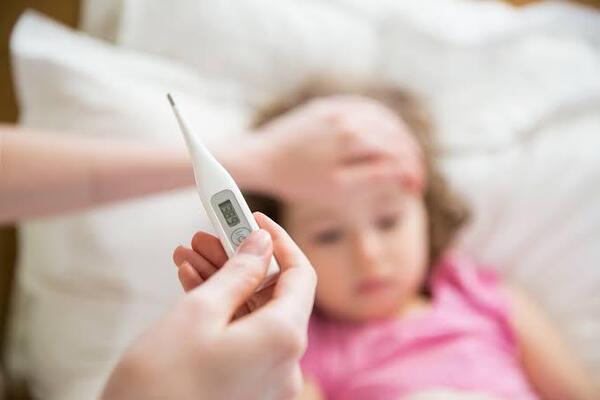
A fever is generally defined as a body temperature of 38°C (100.4°F) or higher when measured with an appropriate thermometer.
Normal body temperature can vary slightly throughout the day and may differ depending on the method used to measure it.
Always use a reliable digital thermometer rather than relying on touch alone.
Why Do Children Get Fevers?
Young children commonly develop fevers because their immune systems are responding to infections.
Common causes include:
- Viral infections such as the common cold or influenza
- Ear infections
- Throat infections
- Urinary tract infections
- Gastrointestinal infections
- Some vaccine-related immune responses
Less commonly, fever may be caused by more serious bacterial infections or other medical conditions.
Is the Height of the Fever Always Dangerous?
Not necessarily.
A child with a temperature of 39.5°C (103.1°F) who is alert, drinking fluids, and responding normally may be less concerning than a child with a lower fever who is unusually sleepy, difficult to wake, or showing signs of serious illness.
Doctors evaluate both:
- The child’s overall condition
- The underlying cause of the fever
rather than focusing only on the temperature.
When Should Parents Seek Immediate Medical Care?
Seek emergency medical attention if your child has a fever and develops any of the following:
- Difficulty breathing
- Persistent seizures or convulsions
- Unresponsiveness or difficulty waking
- Severe drowsiness or confusion
- Blue lips or face
- A stiff neck
- A rash that does not fade when pressed
- Persistent vomiting with inability to keep fluids down
- Signs of severe dehydration, such as very little urine, dry mouth, or no tears when crying
These symptoms may indicate a serious illness requiring urgent medical evaluation.
Fever in Babies Under 3 Months
A fever in a newborn or young infant requires special attention.
If a baby younger than 3 months has a rectal temperature of 38°C (100.4°F) or higher, seek immediate medical care, even if the baby appears otherwise well.
Young infants have immature immune systems, and serious infections may not cause obvious symptoms initially.
When to Contact a Doctor for Older Babies and Children
Consult your child’s healthcare provider if:
- Fever lasts more than two to three days without improvement.
- Your child refuses to drink fluids.
- Fever repeatedly returns after improving.
- Your child develops ear pain, severe sore throat, or persistent cough.
- The fever is accompanied by unusual behavior or increasing lethargy.
- You are concerned about your child’s condition, even if the temperature is not very high.
Parents know their children best. If something seems unusual, it’s reasonable to seek medical advice.
Signs of Dehydration
Children with fever lose more fluids through sweating and faster breathing.
Watch for:
- Dry lips or mouth
- Reduced urination
- Dark-colored urine
- No tears while crying
- Sunken eyes
- Unusual sleepiness
Encouraging regular fluid intake is important during a fever.
Febrile Seizures
Some children between 6 months and 5 years may experience febrile seizures, which are seizures triggered by fever.
Although most simple febrile seizures are brief and do not cause long-term brain damage, they require prompt medical evaluation.
If your child has a seizure:
- Place them on their side on a safe surface.
- Do not place anything in their mouth.
- Do not try to restrain them.
- Seek emergency medical care immediately.
Caring for a Child With Fever at Home
If your child is otherwise alert and your healthcare provider has advised home care:
Keep Your Child Hydrated
Offer fluids regularly, such as:
- Water (for age-appropriate children)
- Breast milk or formula for infants
- Oral rehydration solution if recommended
- Clear soups
Small, frequent sips may be easier if your child isn’t feeling well.
Dress Comfortably
Dress your child in lightweight clothing and keep the room comfortably cool.
Avoid excessive blankets, which may trap heat.
Encourage Rest
Children usually recover better when they get enough rest.
However, complete bed rest isn’t necessary if your child feels comfortable enough to play quietly.
Use Fever-Reducing Medicines Only as Directed
Paracetamol (acetaminophen) or ibuprofen may be recommended by your healthcare provider based on your child’s age and weight.
Always:
- Follow the prescribed dose.
- Use the measuring device provided with the medicine.
- Avoid giving aspirin to children unless specifically directed by a doctor because of the risk of Reye’s syndrome, a rare but serious condition.
If you’re unsure which medicine to use or the correct dose, consult your healthcare provider.
Should You Sponge a Child With Cold Water?
Cold baths or ice water sponging are not recommended because they can make a child uncomfortable and may cause shivering, which can raise body temperature further.
If advised by your healthcare provider, a lukewarm sponge bath may be considered in certain situations, but it should not replace appropriate medical care or fever-reducing medication when needed.
Common Mistakes Parents Should Avoid
Avoid these common errors:
- Judging the seriousness of illness only by the temperature.
- Giving antibiotics without a doctor’s prescription.
- Using aspirin in children.
- Ignoring signs of dehydration.
- Delaying medical evaluation when warning signs appear.
- Alternating fever medicines without medical advice.
Proper treatment depends on the cause of the fever, not just the temperature.
How to Help Prevent Infections
While not all illnesses can be prevented, these measures reduce the risk:
- Ensure routine childhood vaccinations are up to date.
- Encourage regular handwashing.
- Avoid close contact with people who are ill.
- Maintain a balanced diet.
- Ensure adequate sleep.
- Teach children to cover their mouth and nose when coughing or sneezing.
Good hygiene helps reduce the spread of infections.
Conclusion
Fever is a common symptom in toddlers and young children and is often part of the body’s natural response to infection. In many cases, it can be safely managed at home with rest, adequate fluids, and guidance from a healthcare provider. However, certain warning signs—such as difficulty breathing, seizures, persistent vomiting, severe drowsiness, dehydration, or fever in infants younger than three months—require immediate medical attention.
Rather than focusing only on the thermometer reading, pay close attention to your child’s overall behavior, hydration, and comfort. When in doubt, consult your pediatrician or seek emergency care. Early evaluation can help identify serious conditions and ensure your child receives appropriate treatment.
FAQs
Q1. What temperature is considered a high fever in children?
A. A fever is generally defined as a body temperature of 38°C (100.4°F) or higher. Higher temperatures may require closer monitoring, but the child’s overall condition is often more important than the exact number.
Q2. When should I take my child to the hospital for a fever?
A. Seek immediate medical care if your child has difficulty breathing, seizures, severe drowsiness, persistent vomiting, signs of dehydration, a stiff neck, a non-blanching rash, or if an infant younger than three months has a fever of 38°C (100.4°F) or higher.
Q3. Is it normal for toddlers to get frequent fevers?
A. Yes. Young children commonly develop several viral infections each year, particularly after starting daycare or preschool. However, persistent, recurrent, or unusually severe fevers should be evaluated by a healthcare professional.
Q4. Can teething cause a high fever?
A. Teething may cause mild discomfort and a slight rise in temperature, but it is not generally considered a cause of a true high fever (38°C or higher). A child with a high fever should be assessed for another underlying cause.
Q5. Should I wake my child to give fever medicine?
A. Not necessarily. If your child is sleeping comfortably, it may not be necessary to wake them solely to reduce the fever. However, follow your healthcare provider’s advice, especially if medication has been prescribed on a specific schedule or your child has an underlying medical condition.